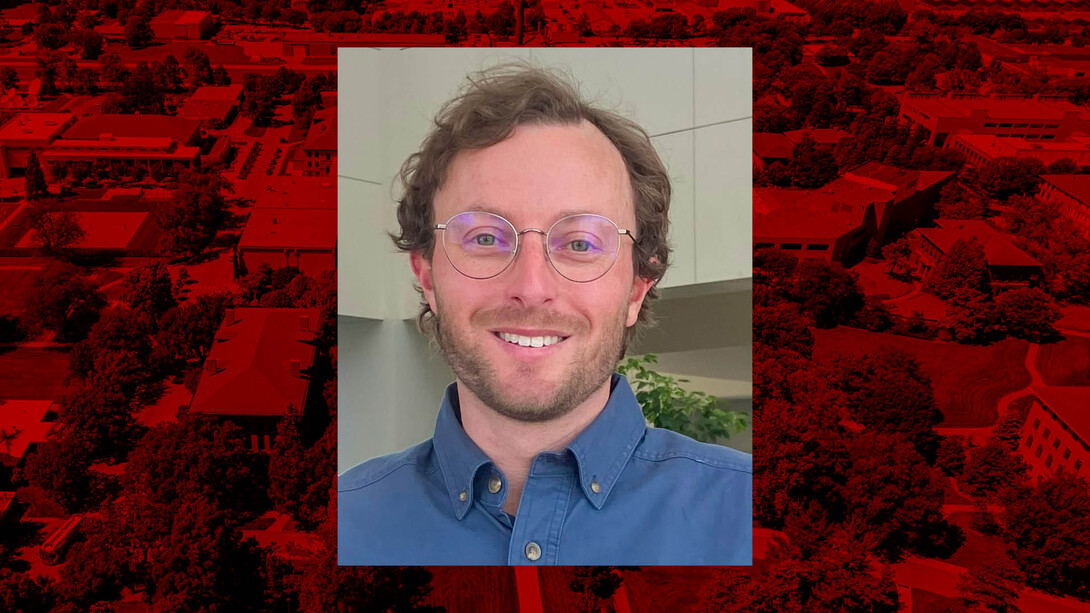
Nathan Butler’s interest in plant biology and biotechnology began during his undergraduate studies when a botany book opened his eyes to the wonderful world of plants.
“I read Botany of Desire: A Plant’s-Eye View of the World by Michael Pollan as a part of an undergraduate course and I couldn’t put it down,” Butler said.
Butler graduated with a bachelor’s in biochemistry and molecular biology from the University of Wisconsin-Eau Claire in 2008. He then earned his master’s in plant biology from Iowa State University and his doctorate in plant breeding, genetics and biotechnology from Michigan State University.
At the conclusion of his studies, Butler began working as a research geneticist for the U.S. Department of Agriculture’s Agricultural Research Service working to incoporate modern biotechnological tools into a carrot breed and genetics program. He later moved on to work as a cell biology research scientist developing gene editing and crop transformation technologies for hemp, soy and potatoes at Calyxt, a biotechnology company near Minneapolis.
Just before transitioning to Nebraska, Butler worked as a senior researcher in the University of Minnesota’s Voytas Lab. Here he aimed to develop methods to create and detect targeted plant modifications “using DNA-free and transgenic methods” in tomatoes, potatoes, sorghum, setaria, nicotiana and arabidopsis.
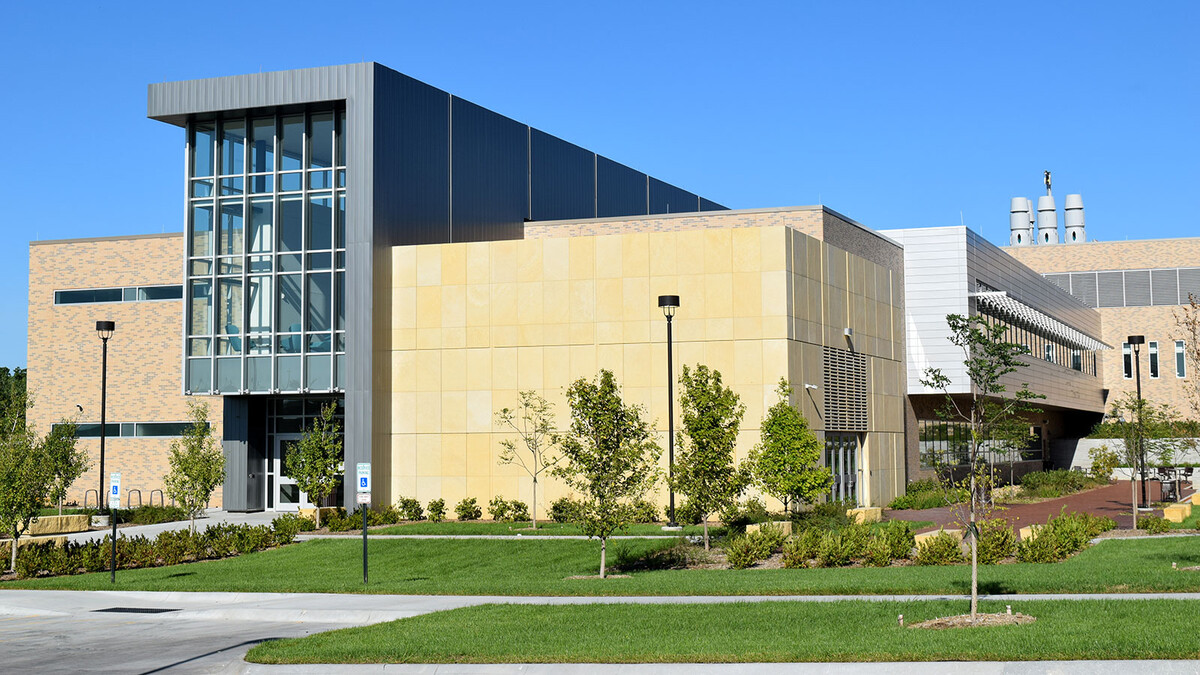
Butler began May 1, 2025, as an assistant professor in the Department of Agronomy and Horticulture and the director of the Plant Transformation Core Research Facility. His position is 50% research, 30% service and 20% teaching and is a joint appointment with the Center for Plant Science Innovation.
“A love for plant science, innovation and working with and learning from excellent people brought me to Nebraska,” Butler said.
In his new position, Butler has the opportunity to continue his love of research. His lab is currently focusing on sorghum, a crop that is drought resistant, heat tolerant, has low inputs and has strong potential for producing bioenergy.
“An important challenge to working with sorghum and other bioenergy crops is engineering them to be more efficient for biofuel production,” Butler said. “My lab reduces these barriers by creating new tools for genetic engineering and providing essential plant materials for testing in the greenhouse and the field.”
Outside of teaching and research, Butler enjoys cycling. He has commuted to the lab by bike since he was an undergraduate student.
“Lincoln is great!” Butler said. “I have lived across the Midwest and am very happy to have landed here.”