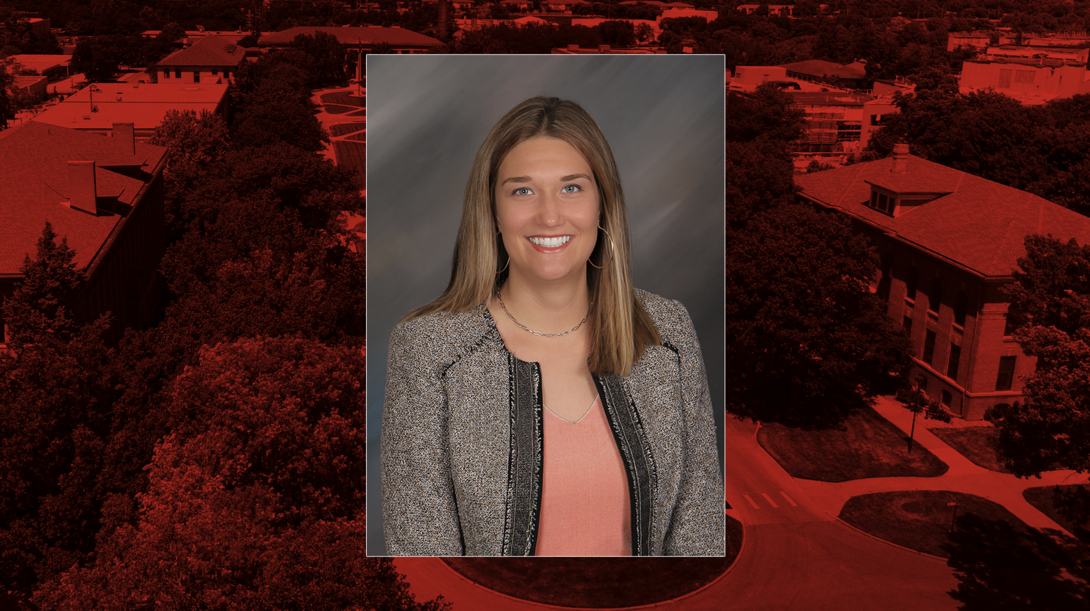
Town, state you reside in: Holdrege, Nebraska
Occupation: Certified general appraiser for Farm Credit Services of America out of the Kerney office
Nebraska LEAD Class Number: 42
Tell us a little about yourself — where you’re from and your connection to Nebraska agriculture or natural resources.
I am originally from Maryville, Missouri, where I grew up on a grain/livestock farm primarily raising corn and soybeans along with cow/calf pairs. I attended the University of Missouri-Columbia for my undergraduate where I got a degree in agribusiness management. I later went on to get my MBA from Northwest Missouri State University.
I moved to Nebraska in the fall of 2015 with my husband, who is originally from the Holdrege area. We have been in the area for the past decade and have since had three boys. I started with Farm Credit Services of America in 2015 as an appraiser trainee and worked toward my certification that I obtained in 2019, and I am still with the company today. Our family is part owner of a custom planter manufacturing company Planter Worx in Funk that my husband works at day-to-day. On the side we have a small row-crop farm in Phelps County and are involved with my family’s farm operation in Missouri.
What motivated you to apply for the Nebraska LEAD Program?
Ever since moving to Nebraska a decade ago and learning about the LEAD program, I had always wanted to apply and take part in the program. My predecessor at Farm Credit took part in the program early in his career and always spoke highly of the program, which motivated me to apply. Additionally, I wanted to learn more about our state and the diversity of agriculture that it offers. I knew this program would offer me this opportunity along with getting to meet individuals who are always interested in agriculture.
What’s been the most eye-opening or impactful experience you’ve had through LEAD?
The most impactful experience I had was attending the National Seminar in Washington D.C., and getting to visit and meet with all the Midwesterners who now reside in our nation’s capital and lobby for our industry and promote positive messaging that benefits the great people in Nebraska agriculture. Overall, this 10-day trip was great and allowed me to see things I wouldn’t ever see traveling here personally.
How has your participation in the Nebraska LEAD Program inspired you to get involved?
After participating in the LEAD program, I have been much more motivated to get involved on a local level where I am raising my children in agriculture.
What advice would you give to someone considering applying to the Nebraska LEAD Program?
My advice would be to stay open-minded about different prospective that your fellows may bring to the table. This program taught me how big the world really is and how individuals may see certain topics differently, but taking a step back and hearing the others’ point of view is very important and goes a long way.
What do you view as the biggest challenges facing agriculture in Nebraska?
The biggest challenge I see facing Nebraska is the continued rising of input costs and the stagnant commodity prices. Prices aren’t keeping pace with inputs, and this is creating challenges and much tighter operating conditions.
What keeps you optimistic about the future of Nebraska agriculture?
I stay optimistic about the future of Nebraska agriculture as I see more young people moving back home to their rural communities. In my class alone, we have had two individuals move back to their hometown small communities and will raise their families in agriculture. The more people we can get to return to rural Nebraska, the stronger we will be.