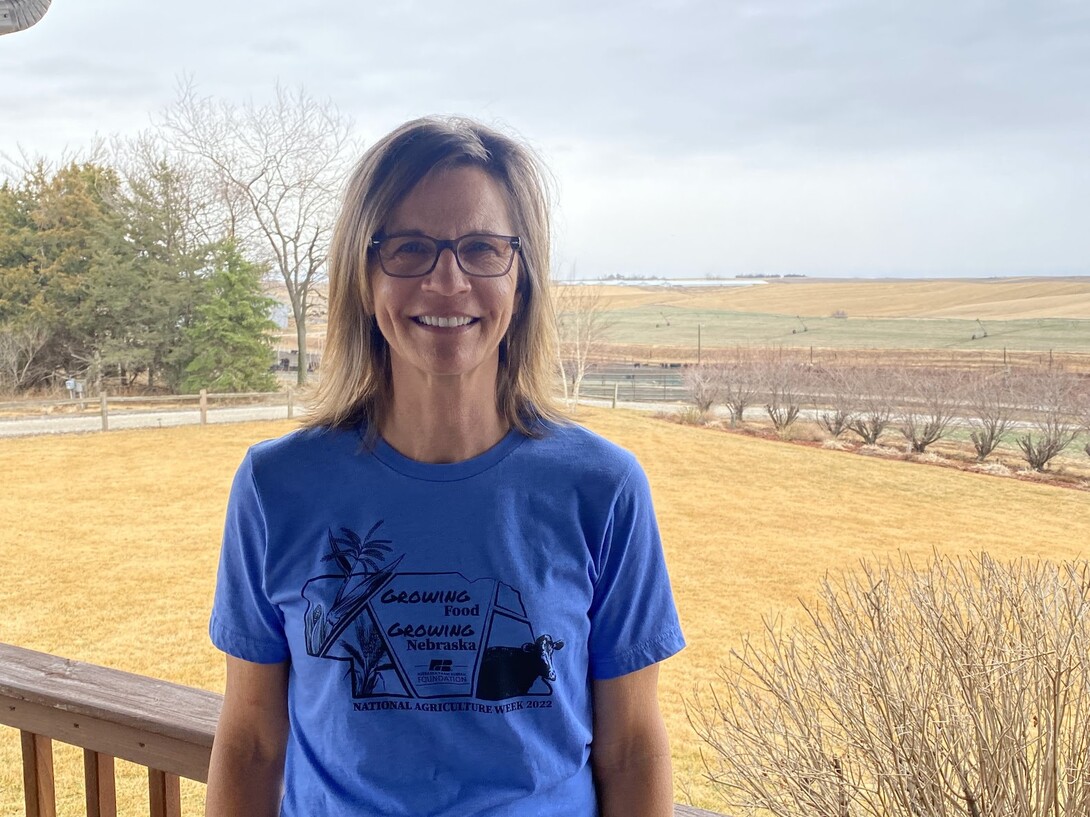
Town, state you reside in: Dodge, Nebraska
Occupation: beef producer
Nebraska LEAD Class Number: 28
Tell us a little about yourself — where you’re from and your connection to Nebraska agriculture or natural resources.
My husband, Steve, and I live near Dodge, Nebraska, where we have built our life and livelihood in agriculture. We purchased our farm from Steve’s uncle in 1981 and, over time, grew it from a 500-head feedlot into a 3,500-head cattle feeding operation while also raising corn, soybeans and alfalfa. Alongside building our farm, we raised five children who have pursued a variety of careers, and today we are proud grandparents to 12 grandchildren.
Before fully stepping into our farming operation, I worked as a veterinary technician in a clinical setting and later served as a research assistant at the University of Nebraska–Lincoln. Those early experiences shaped my understanding of animal health, science and stewardship, and ultimately strengthened my connection to Nebraska agriculture.
What motivated you to apply for the Nebraska LEAD Program?
I had long respected the Nebraska LEAD Program based on the experiences and recommendations of others who had completed it. I was motivated by the opportunity to strengthen my leadership skills while gaining a broader understanding of Nebraska, our nation and agriculture’s role in the global system through the program’s two-year structure and travel experiences.
What’s been the most eye-opening or impactful experience you’ve had through LEAD?
One of the most eye-opening experiences for me was the International Study/Travel Seminar to Estonia, Latvia, and Lithuania — countries that had been under communist rule less than 20 years prior to our visit. Visible reminders of oppression remained, including abandoned guard stations and a noticeable hesitation among people to make eye contact.
That experience deeply impressed upon me the responsibility that comes with leadership and how quickly power can be abused in the absence of accountability. It reinforced the importance of ethical leadership, transparency and service — lessons that continue to guide me.
How has your participation in the Nebraska LEAD Program inspired you to get involved?
Following LEAD, I became involved in the newly formed CommonGround program, which trains women in agriculture to connect with consumers by sharing their personal farm stories. That experience became a springboard for additional leadership and advocacy opportunities, particularly in promoting the grain-fed beef production system. As a result, I continued to grow into broader leadership roles, including officer roles on the Cattlemen’s Beef Board.
What advice would you give to someone considering applying to the Nebraska LEAD Program?
I would encourage applicants to view LEAD as a leadership commitment, not just a program. While two years may seem like a long time, it passes quickly and the personal and professional growth is significant. Active participation will be easier with planning, family backing, and insights from LEAD alumni. Most importantly, approach the decision thoughtfully and prayerfully, understanding the responsibility that comes with leadership development.
What do you view as the biggest challenges facing agriculture in Nebraska?
One of the greatest challenges facing Nebraska agriculture is developing the next generation of leaders. While markets and weather will always be unpredictable, the future of agriculture depends on people — particularly young individuals who are willing to work, lead and innovate. Creating pathways into agriculture and leadership roles will be critical to sustaining our farms, ranches and rural communities.
What keeps you optimistic about the future of Nebraska agriculture?
I remain optimistic because agriculture has always evolved through strong leadership and opportunity. I did not grow up on a farm, but leadership, mentorship and opportunity opened the door for me to build a career in cattle feeding and farming. While our family does not currently have children returning to the feedlot we started, we see interest from our grandchildren, and we are equally committed to providing opportunities for others to step into agriculture. Investing in people and leadership gives me confidence in the future of Nebraska agriculture.


