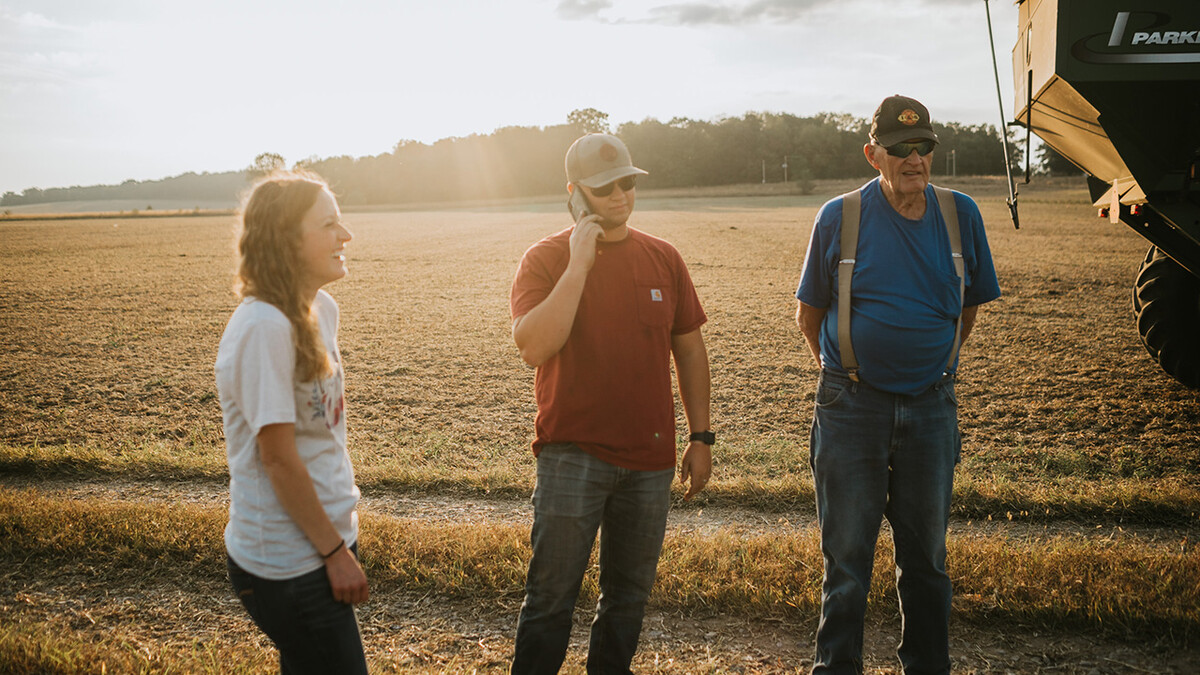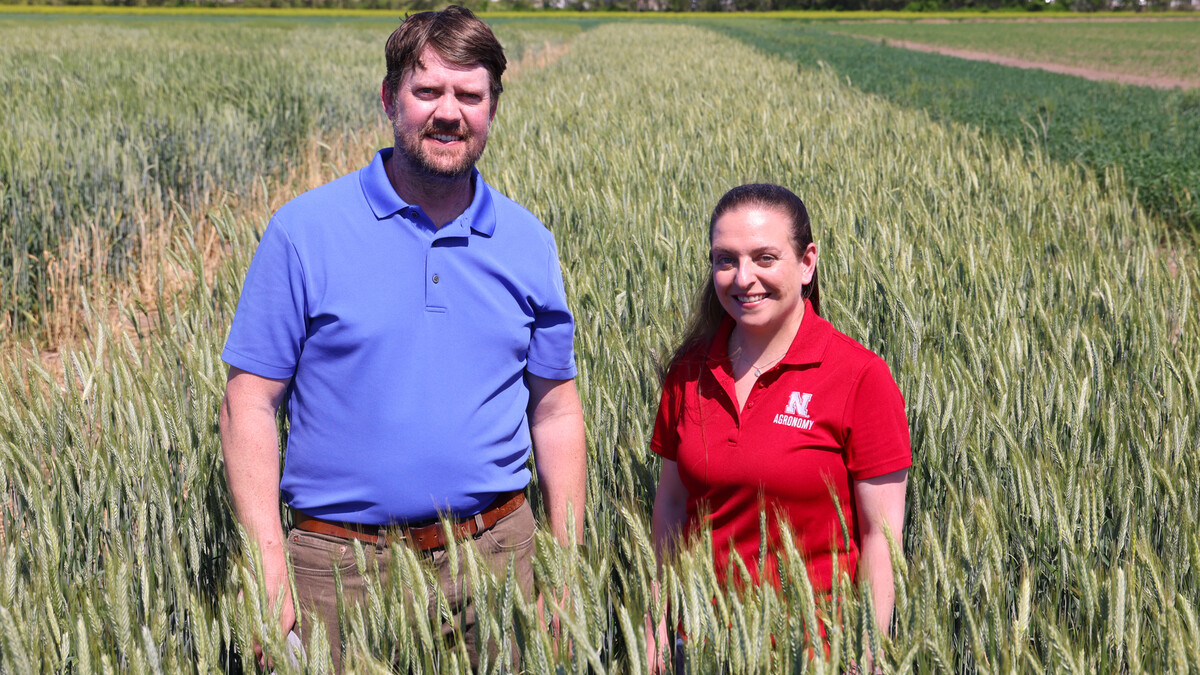
This past summer, the Yeutter Institute awarded two internships to Lachlan Ritchie and Ethan Zen to work in Washington, D.C. Ritchie, a junior, interned at DTB AgriTrade, and Zen, a senior set to graduate in May 2026, interned with the Washington International Trade Association (WITA), receiving a stipend supported by the Nebraska Farm Bureau. Both returned to campus with new insights they now bring into their Yeutter courses and programs.
DTB AgriTrade is a consulting firm that helps food and agriculture organizations navigate international trade rules. Working in this fast-paced, agriculture-focused environment taught Ritche how quickly policy can shift.
“Last year, trade felt easier to predict,” said Lachlan. “This year, everything moved faster. New data or even a credible rumor could change what I worked on. It kept me on my toes and made the job a lot more interesting.”
One of the most memorable parts of his internship came when he sat in a Senate hearing for a nominee to the World Trade Organization (WTO) ambassador position. Watching senators question the nominee and hearing his stance on the future of the WTO brought classroom concepts into sharp focus and showed Ritche how global responsibilities are debated in real time.
These experiences reshaped how he approaches his work as a Yeutter student fellow. Ritche now enters cohort discussions and meetings with trade professionals with greater confidence.
“My summer gave me a solid base in trade and tariffs,” he said. “When we meet with professors, I am not starting from scratch. It is much easier to recognize good project ideas and know how to move forward.”
He encourages future interns to enter the experience with a clear plan.
“I was fortunate to have flexible bosses at a small firm, so I could share what interested me, and they would connect me with projects that aligned with both my goals and the firm’s work,” he said.
Across the city, Zen interned with WITA through a stipend provided by the Steve Nelson Yeutter Institute International Trade Internship Award, which awards $10,000 annually for a student to intern full-time for a summer in Washington, D.C.
During Zen’s internship, he deepened his understanding of a previous project — his capstone on center pivot irrigation. What once felt like a technical question was, in fact, rooted in trade. Throughout the project, he had considered issues such as how American-made equipment reaches another country, how companies price their products and how logistics must align with local policies. At WITA, he continued to explore these questions as he analysed how trade policies influenced organizations like the American Apparel Association and Walmart.
“It quickly became clear that every product on a shelf crosses borders, and every industry has a stake in how those borders function,” Zen said.
Beyond his day-to-day responsibilities, Zen helped organize a major dinner for Washington’s trade community that brought together government officials, industry leaders and policy experts. Coordinating the event allowed him to see how relationships are built behind the scenes and how informal conversations can shape understanding across sectors.
“Leaders genuinely wanted to help students understand the issues we were talking about,” he said. “People shared information freely because they understood that decisions in one sector could ripple across many others.”
Shortly after returning to Nebraska, Zen continued sharpening this skill by hosting a Husker Trade Talk for the Institute, which brought Kellie Meiman Hock to campus to talk about “What’s Next for North American Ag Trade?”
When asked about his experience organizing the talk, Zen was clear about his mission to empower his peers.
“At the end of the day, we [students] just want to learn and understand this complex climate better,” he said. "I hope they were able to walk away knowing that their questions are paving a road towards collaboration and the betterment of the trade community.”
A key part of his internship involved translating what he was learning to different audiences and stakeholders. The experience allowed him to apply what he learned at WITA directly through Yeutter programming while educating peers and the broader community about current issues in trade.
For Zen, the internship reinforced his desire to pursue a career in international work. As an international student, it reminded him that students can contribute to global issues while staying connected to their home communities.
Despite taking different paths to Washington, Ritche and Zen reached similar conclusions. Both discovered that the world of trade is broader and more interconnected than most students imagine. Their internships placed them in the rooms where policy decisions unfold and connected them with professionals who will continue to support their growth.
To learn more about the Yeutter Institute and their internships, please visit yeutter-institute.unl.edu or contact Jill O'Donnell at jodonnell2@unl.edu.