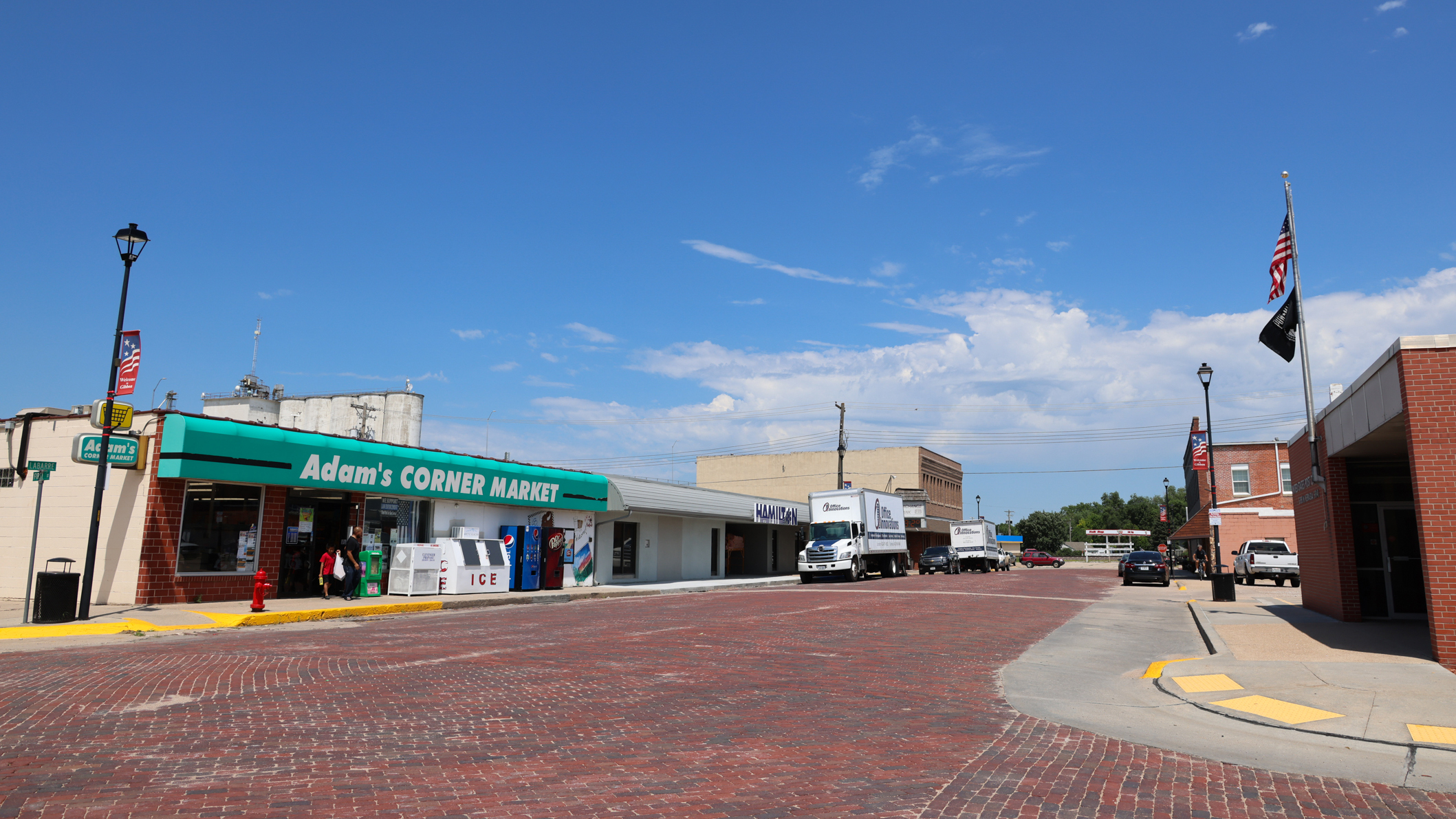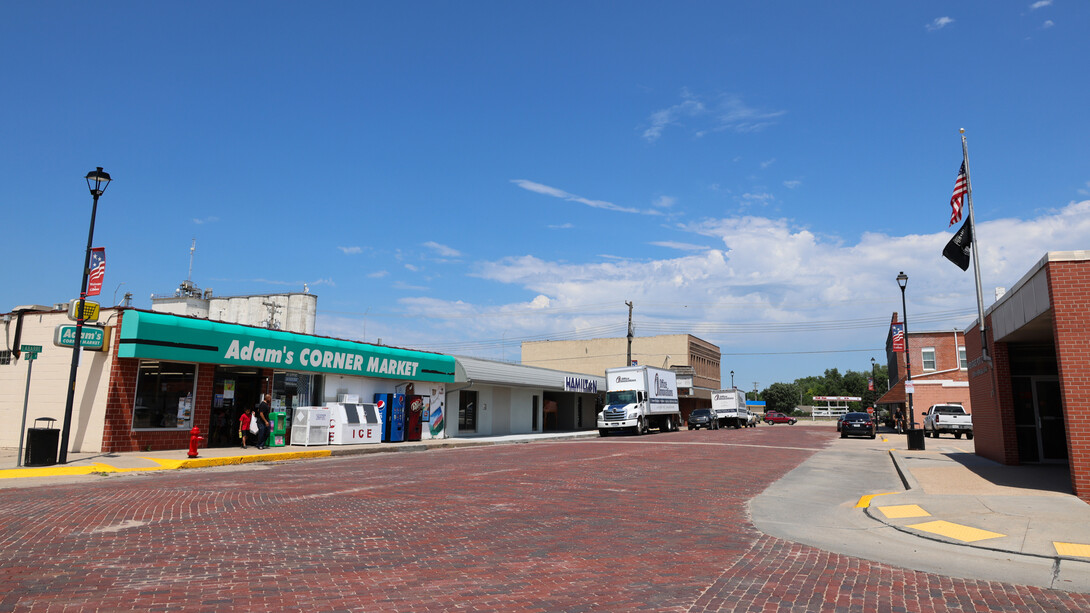
Gibbon, Nebraska, recently received a $435,000 downtown revitalization grant from Nebraska’s Department of Economic Development to update the fronts of local businesses. As the latest milestone in a longer journey of community growth, local leaders attribute the grant to Rural Prosperity Nebraska’s Entrepreneurial Communities Activation Process program.
The grant “is just the tip of the iceberg for what we’ve got with ECAP,” said Gibbon’s city administrator, Matt Smallcomb. “I’m a big supporter of ECAP.”
The ECAP program connects Rural Prosperity Nebraska extension educators with Nebraskans to discuss community-centered and economic development goals. Drawing from a comprehensive community survey, local perspectives and past community successes, extension educators help community members identify their vision and lay the foundation for action plans to achieve their goals.
Twenty-two Nebraska communities have participated in the program, and five are currently participating, of which Verdigre and Sargent began in 2025.
“Through ECAP, we ask communities what goals they have achieved in the past and what they can learn from past successes to help them achieve future goals,” said Shawn Kaskie, the extension educator in central Nebraska who worked with Gibbon. “These are the conversations we facilitate, all while tying in the valuable survey data.”
Gibbon began the program in 2022 at the request of Bob Krier, then president of the Chamber of Commerce. He had attended an ECAP presentation at Rural Prosperity Nebraska’s Connecting Entrepreneurial Communities Conference in Columbus and thought the program could help Gibbon get its community development feet under it. Krier said there were multiple groups doing community projects with little coordination, and he hoped the program would streamline their efforts.
“Could we get all of these people working together?” he said. “You know, different groups doing different things — could we all sit down together? ECAP was a great process. It brought together some people that I don’t think are normally at the table.”
Smallcomb and Krier agreed the key aspect of the program that led to the grant was the survey, which asked residents, from high schoolers to senior citizens, their opinions about Gibbon. Questions ranged from preferred direction for the town, priorities for community development, and, for the younger generation, what would encourage them to stay in or return to Gibbon after college.
The 247 responses included ideas ranging from downtown revitalization to a splash pad to a memorial wall for veterans.
“The survey not only increases community input, but it’s also important for grant opportunities,” Kaskie said. “Grantors like to know you’ve done your homework — that your grant proposal reflects the community as a whole and not just a few individuals. The survey gives you that.”
Since participating in the program, Gibbon has secured more than $1 million in grant funding and philanthropic support tied directly to priorities identified in the community survey. In addition to supporting downtown revitalization, these investments have aided community planning, park and recreation improvements, and the development of a community center and other quality-of-life projects.
Most recently, in addition to the $435,000 Department of Economic Development grant, Gibbon received a $53,000 planning grant to explore infrastructure and housing development.
According to Krier, hearing the priorities of community members, and participating in those community-centered conversations, is what has made the past four years successful.
“Even if you don’t know exactly what it is that you want to do, [ECAP] is a great way to have your community tell you what they want,” he said. “Some of your best ideas are going to come from someone you’re not expecting.”
For Smallcomb, the program has been about the long game.
“What we’re doing is a good thing in this community,” he said. “We are wanting to keep young families, we are wanting young families to move here. All these things that we have in the works right now may not affect our kids, but that’s OK, because hopefully our grandkids can enjoy those things. It’s being able to look past what’s good for our kids and what’s good for the next generation.”
To learn more about the Entrepreneurial Communities Activation Process, click here or email ruralprosperityne@unl.edu.
Share
News Release Contact(s)
Tags
High Resolution Photos