Biofluorescent birds, noise-affected spiders, the global impacts of drought and America’s fascination with true crime were among the topics that generated national and international headlines for the University of Nebraska–Lincoln in 2025. More than 500 positive stories featuring the university, its faculty, staff, students, centers and programs appeared in national media outlets during the year.
- By investigating specimens at the American Museum of Natural History, Rene Martin, assistant professor in the School of Natural Resources, discovered that 37 of the 45 known species of birds-of-paradise use biofluorescence. The research was published Feb. 12 in the Royal Society for Open Science. “I think people like flashy things, and that’s what a bird-of-paradise is, and now we know they’re also glowing,” Martin told Nebraska Today. “As more of these studies come out, often due to the availability of more advanced technology, I think we’re going to find out (bioluminescence or biofluorescence) is more prevalent than we thought.” Stories on the research appeared in Ars Technica, CNN, Earth.com, Forbes, The Guardian, The New York Times, Science News, Smithsonian Magazine and 100-plus other media outlets.
- Brandi Pessman, a postdoctoral researcher in the School of Biological Sciences, and Eileen Hebets, George Holmes Professor of biological sciences, published an April study demonstrating that the webs of funnel-weaving spiders transmit vibrations differently in response to increased local environmental noise. This flexibility in web transmission properties suggests that the spiders may intentionally spin their webs differently to manage surrounding noise and receive crucial sensory information. Stories on the research appeared in KHGI, Earth.com, The New York Times and Smithsonian Magazine.
- The university’s National Drought Mitigation Center and the United Nations’ Convention to Combat Desertification released a summer report outlining the impacts of drought around the world since 2023. The previous two years represented some of the worst drought effects seen on a global scale, said Mark Svoboda, report co-author and director of the drought center. Stories on the report appeared in KOLN/KGIN, BBC, CBS News, Der Spiegel, El Mundo, The Guardian, India Today and more than 580 other media outlets.
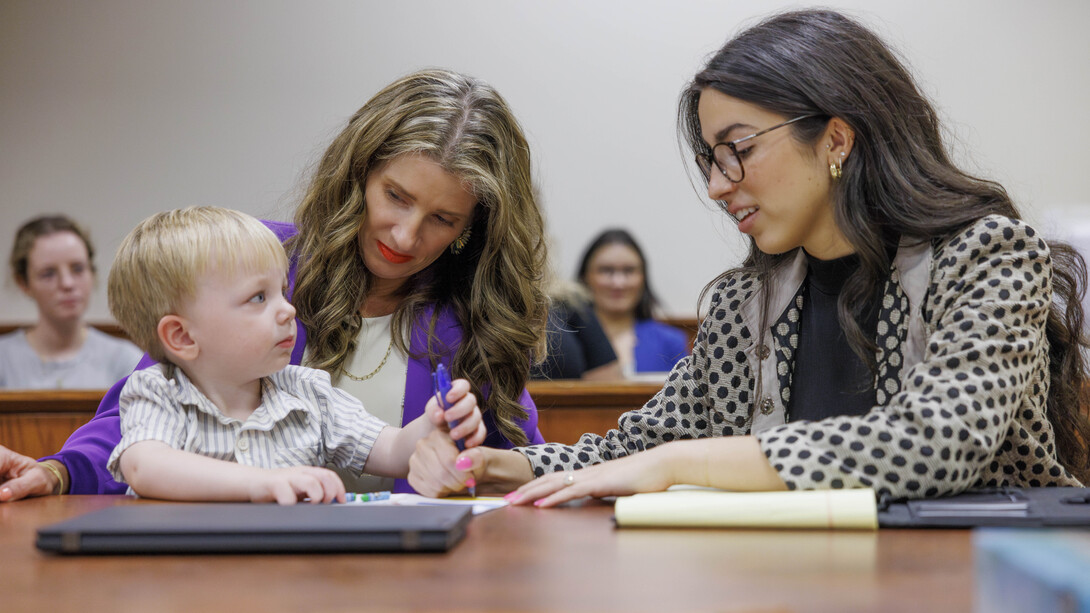
- Kelli Boling, assistant professor of advertising and public relations at Nebraska, and Danielle Slakoff, associate professor of criminal justice at California State University, Sacramento, published new research highlighting the impacts of true crime media on the family and friends of crime victims. Newsweek published an Oct. 10 article on the research. “There’s a horrible intrusiveness that's never going to go away, and often (the case is) going to be covered for the rest of their lives,” she said. “On the flip side, being available to media helps them find leads in certain cases, especially in missing person cases. It keeps people talking about the cases and sometimes helps them change the narrative and correct inaccuracies.” HealthDay published a similar article Dec. 18. Boling also discussed the appeal of true crime as a guest on the Oct. 16 episode of WOSU’s “All Sides With Amy Juravich.”

Inventors, innovators and trailblazers
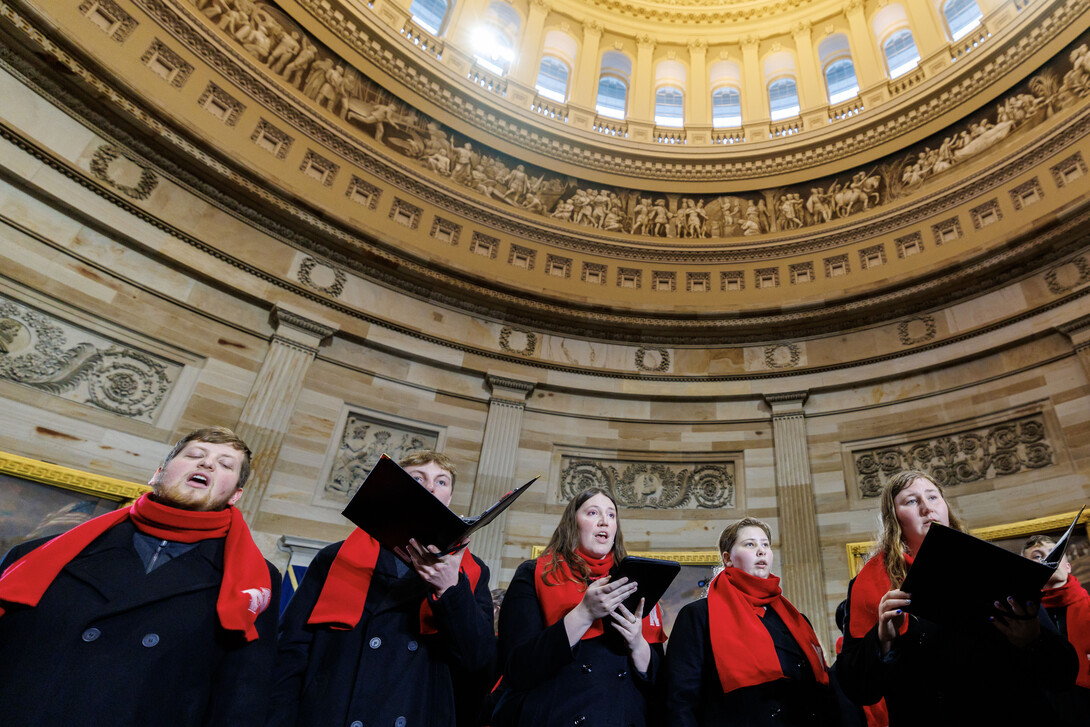
- A combined choir from the Glenn Korff School of Music performed during the 60th Presidential Inauguration at the U.S. Capitol on Jan. 20. The students were invited to perform by Sen. Deb Fischer, a member of the Joint Congressional Committee on Inaugural Ceremonies. The 120-plus students who went on the trip also visited national monuments — including the Lincoln Memorial, Jefferson Memorial, Martin Luther King Jr. Memorial and Arlington National Cemetery — and met with Fischer and Rep. Mike Flood. On Jan. 18, the group rehearsed in the Basilica of the National Shrine of the Immaculate Conception. Stories on the performance appeared in at least 13 local media outlets, as well as CBS News, Deadline, MSN, NBC News, PBS News, USA Today, Voice of America and dozens of other media outlets.
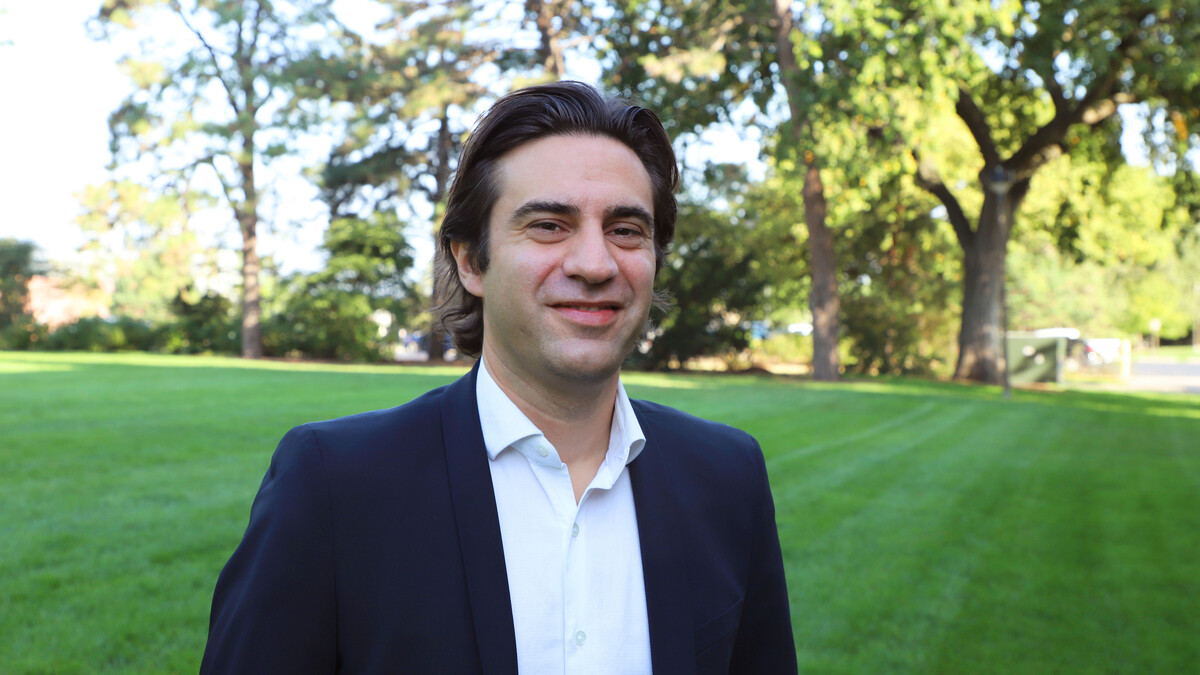
- An international research project led by the University of Nebraska–Lincoln aims to transform the future of food by driving sustainable, resilient solutions, while positioning Nebraska as a national leader in the bioeconomy sector. Funded by the National Science Foundation and international sources, the Global Center for Food Innovation and Diversification to Advance the Bioeconomy — FoodID for short — is focused on developing alternative protein and lipid sources from purposefully designed plants and microorganisms. The three-year project is led by Ozan Ciftci, Kenneth E. Morrison Distinguished Professor of Food Engineering and associate professor of food science and technology. Stories on the center appeared in the Kearney Hub, Beef magazine, Feedstuffs and Tri-State Livestock News.
- A study led by Julian Atanassov, associate professor of finance, was highlighted in a March 17 Fortune article titled “Why political uncertainty is a career-defining moment for aspiring CEOs.” The researchers found that companies often increase research and development investments during times of uncertainty, viewing them as strategic growth opportunities. “The most important lesson (for leaders) is don’t despair,” Atanassov said. “Use this as an opportunity to strengthen your competitive advantage.”
- The University of Nebraska–Lincoln has joined a $27.4 million global initiative to reduce methane emissions from livestock by harnessing natural variation in how animals digest food. Backed by the Bezos Earth Fund and the Global Methane Hub, the effort is supporting research and breeding programs to identify and scale climate-efficient livestock across North America, South America, Europe, Africa and Oceania. Stories on the initiative appeared in KFXL, Beef magazine, Feedstuffs, The Fence Post and Harvest Public Media.
- Yiqi Yang, Charles Bessey Professor of textiles, merchandising and fashion design and biological systems engineering, and colleagues have developed a first-of-its kind technology for fiber-to-fiber, or chemical, recycling of textiles that successfully removes dyes, separates natural and synthetic blends and creates high-quality fibers. Ecotextile News and Knowridge published articles on the innovation.
- Annual flu shots could become a thing of the past under a new vaccine strategy developed and tested by Husker virologist Eric Weaver and his laboratory team. In an April study, the team described a vaccine that protects against H1N1 swine flu and can also protect against influenza in humans and birds. Stories on the research appeared in at least five Nebraska media outets, Farms.com, The Microbiologist, National Hog Farmer and several other national outlets.
- A Nebraska Engineering team is another step closer to developing soft robotics and wearable systems that mimic the ability of human and plant skin to detect and self-heal injuries. The team includes Eric Markvicka, Robert F. and Myrna Krohn Assistant Professor of Biomedical Engineering, and graduate students Ethan Krings and Patrick McManigal. Stories on the research appeared in KLKN, KOLN/KGIN, Bioengineer.org, Impact Lab, Interesting Engineering, ScienceDaily, Scienmag, Sustainability Times and 25-plus other media outlets.
- The College of Architecture, in partnership with Partners for Livable Omaha and Holy Name Housing Corp., has launched an innovative housing initiative to address Omaha’s growing demand for affordable, age-friendly homes. A groundbreaking ceremony for the OurStory project took place June 2 in Omaha’s historic Benson neighborhood. Stories on the project appeared in Nebraska Public Media, the Omaha World-Herald, Silicon Prairie News and WOWT.
- Taking a cue from ocean-dwelling species, Stephin Morin, associate professor of chemistry, and colleagues are developing synthetic skins that will support the emergence of next-generation “soft” machines, robots and other devices. The skins closely approximate the mechanical action of the chromatophores found in cephalopods — squids, octopi, cuttlefish and other species. Articles on the research appeared in Interesting Engineering, Phys.org, Scienmag and Sustainability Times.
- In a major step toward improving legal support for vulnerable children and families, the University of Nebraska Board of Regents in July approved the launch of the Nebraska Children’s Justice and Legal Advocacy Center, a new initiative focused on addressing the shortage of qualified attorneys in rural communities across the state. Stories on the center appeared in KHGI, the Norfolk Daily News, Rural Radio Network and National Jurist.
- From the lab of Nebraska’s James Schnable, Vladimir Torres-Rodriguez and Guangchao Sun helped an international team identify a hidden layer of genetic control within the DNA of corn. The findings reveal how small variations in DNA can influence important traits such as drought resistance, plant height and flower time, ultimately leading to more resilient crops. Articles on the research appeared in KHGI, the Lincoln Journal Star, Farms.com, The Fence Post, Tri-State Livestock News and Where the Food Comes From.
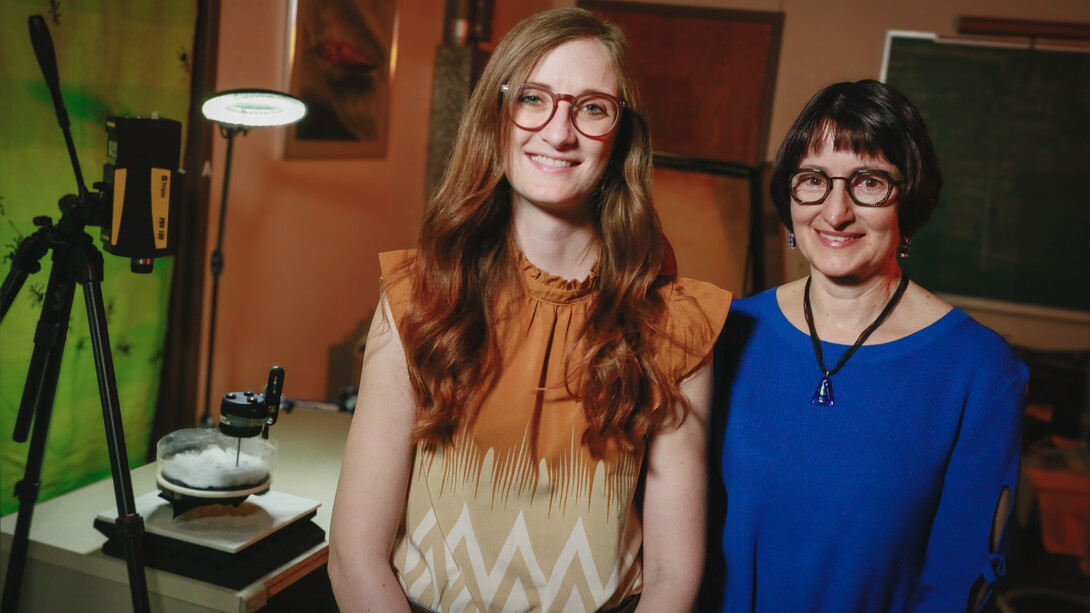
- Mark Brittenham and Susan Hermiller, both professors of mathematics, recently solved a decades-old problem in knot theory. The researchers found that larger and seemingly more complex knots created by joining two simpler ones together can sometimes be easier to undo than simple ones — the opposite of what was expected. The finding was featured in New Scientist, Quanta Magazine, Scientific American and Stand-up Maths. It was also included in Scientific American's "10 biggest math breakthroughs of 2025" on Dec. 19.
- A new makerspace, created in partnership with Omaha’s Scott Data, will give Nebraska Engineering students unrivaled opportunities to explore, build, test and model new techniques using artificial intelligence. Silicon Prairie News published a Sept. 16 article on the makerspace. Dean Lance C. Pérez was featured in the article.
- An international team of scientists, led by Nebraska’s S. Kathleen Lyons, associate professor of biological sciences, is providing a new framework — Earth system engineering — for examining how organisms, including humans, have fundamentally altered ecosystems on a global scale across hundreds, thousands or millions of years. Stories on the research appeared in Phys.org and Terra Daily.
- Silicon Prairie News published an Oct. 7 article on the new Frontier Tech Lab at Nebraska Innovation Studio. The first-of-its-kind collaborative prototyping hub is designed to give Nebraska innovators access to advanced manufacturing tools, engineering expertise and hands-on student support. John Strope, then NIS program coordinator and the lab’s director; Adam Eakin, associate director of the University of Nebraska State Museum, which partnered with the lab; and Susan Weller, director of the NU State Museum, were interviewed for the article.
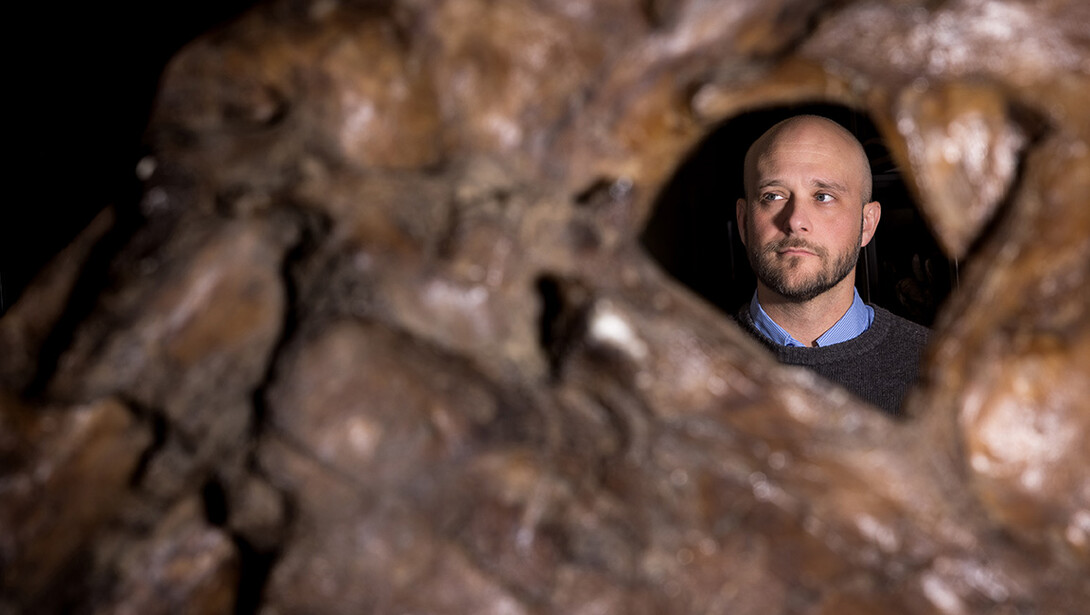
- New research from a team including the University of Nebraska State Museum’s Ashley Poust further moves a decades-long scientific debate toward a conclusion — the Nanotyrannus, a smaller variation of the Tyrannosaurus rex, did exist. The team, led by Christopher Griffin of Princeton University, examined a small bone from the throat of a fossil skull at the Cleveland Museum of Natural History to determine that the specimen was an adult when it died, rather than a juvenile T. rex. Discover magazine interviewed Poust for a Dec. 4 article on the research.
Trusted experts and recognized authorities
- Wes Peterson, professor of agricultural economics, was interviewed for an April 1 NPR story on how protectionist trade policies by the United States have led to unintended consequences in the past. He discussed steps the U.S. government has taken to support the home-grown sugar industry, dating back to the Cuban Revolution of the 1950s, and the impact on consumers and companies. “One of the real problems with tariffs is that once they're in place, it's very hard to get rid of them, because you generate all these vested interests who want to maintain their protection,” he said. The story was picked up by dozens of NPR affiliates.
- The university fared well in many national rankings throughout the year. The University of Nebraska system landed among the top 100 universities with the most U.S. utility patents granted in the 2024 calendar year, Silicon Prairie News reported June 26. NU’s 47 patents ranked No. 49 in the U.S. and No. 82 in the world, according to the list compiled by the National Academy of Inventors. Thirty-six patents were awarded to projects led by Husker researchers. The university’s agriculture and natural resources programs ranked in the top 10% of nearly 500 institutions worldwide, according to QS World University Rankings. Stories on the ranking appeared in KHGI, KMTV, Nebraska Ag Connection, Farms.com, The Fence Post and Tri-State Livestock News. The university also climbed seven spots to rank No. 35 globally in the 2026 Princeton Review and Entrepreneur magazine list of the Top 50 Undergraduate Entrepreneurship Programs. Nebraska remains the top-ranked university in the state and No. 10 in the Midwest. Stories on the ranking appeared in KHGI, Silicon Prairie News and Tri-State Livestock News.
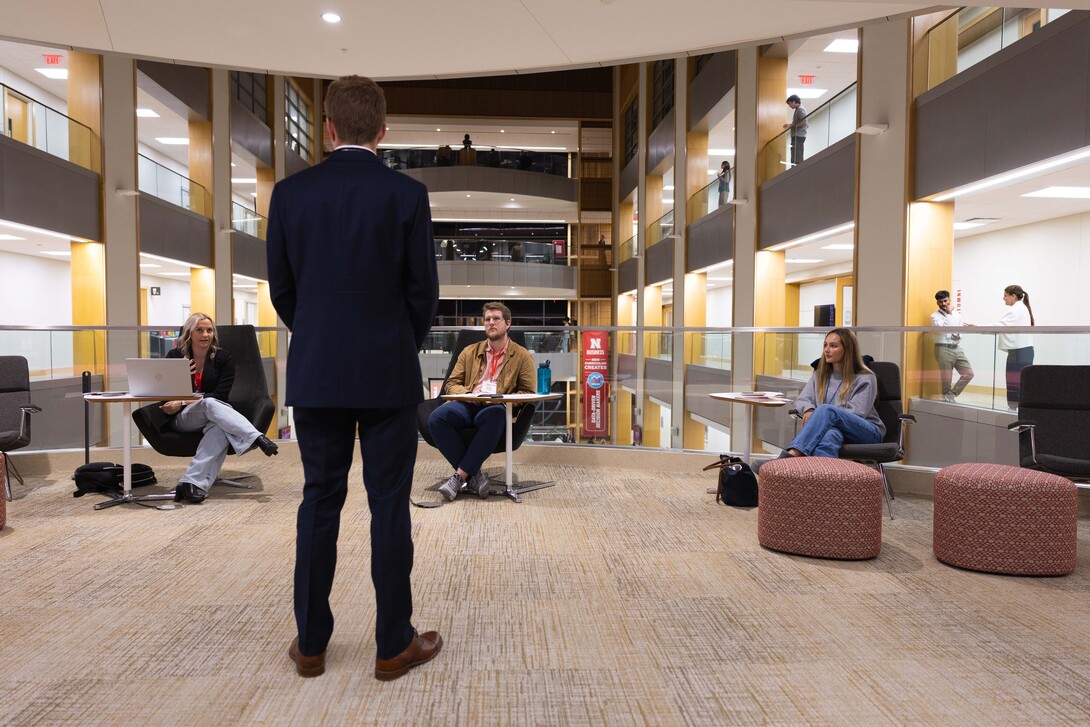
- Rural Prosperity Nebraska continued its outreach to rural communities in 2025 and was featured in a trio of stories in Tri-State Livestock News. Beginning in February, it teamed up with NU Advance, the University of Nebraska’s non-credit professional development platform, to offer a new online course, “Public Participation and Engagement.” With the help of the university, the village of Niobrara, Nebraska, created a Community Organization Active Disaster group to be better prepared for the next natural disaster to affect the area. The effort was supported by a grant from the National Science Foundation and the Established Program to Stimulate Competitive Research and involved educators from Rural Prosperity Nebraska, the Department of Agricultural Leadership, Education and Communication, and the School of Natural Resources, along with researchers from Oklahoma State and Louisiana State universities. Lastly, through Rural Prosperity Nebraska’s Entrepreneurial Communities Activation Process, residents of Verdigre, Nebraska, spent the summer working together to shape a clearer vision for their future.
- The university’s expertise on the ethanol industry was highlighted in niche media throughout the year. The Nebraska ethanol and co-products industry remains a significant and stable force that contributes billions of dollars to the state’s economy, according to a March study from the university. The study analyzed the industry’s economic impact from 2021-2023 and was conducted by the university’s Department of Agricultural Economics and Bureau of Business Research, in partnership with the Nebraska Ethanol Board. Stories on the study appeared in KNOP, the Rural Radio Network, Ethanol Producer Magazine, Farms.com and The Fence Post. An additional October study showed that there were no observable negative effects on engine performance from using E30 gasoline on 50 vehicles in the State of Nebraska’s fleet, Ethanol Producer Magazine reported. The study was led by Rajib Saha, Richard L. and Carol S. McNeel Associate Professor and graduate chair in chemical and biomolecular engineering, alongside graduate researcher Adil Alsiyabi and undergraduate student Seth Stroh.
Chaves Byron D. Chaves, associate professor of food science and technology, provided his expertise on a handful of national news stories throughout the year. He discussed Europeans disparaging U.S. poultry as “chlorinated chicken” for an April 15 Kansas Public Radio story that was picked up by dozens of NPR affiliates. He was also interviewed for four Newsweek articles on product recalls — cheddar bratwurst by Johnsonville in April, the Soothe n Chew Teething Stick by Gerber Products Company in April; ice cream and frozen yogurt products by Wells Enterprises in May; and honey products by Comvita in June.
- Robert Wilson, research associate professor in the School of Natural Resources, was interviewed for a May 29 Oregon Public Broadcasting story on a Canada goose and greater white-fronted goose guarding a nest together at a park near Portland. Wilson said it’s possible the white-fronted goose decided to stay in the park, rather than migrating farther north, because it was injured. The goose also might have been raised by Canada geese, Wilson said, and sought a mate that looked like its foster parents. The story was picked up by 70-plus NPR affiliates.
- Alice J. Kang, professor of political science and ethnic studies, co-wrote a June 3 piece for The Conversation on the lack of female political leaders in Nigeria shaping children’s views. “Our finding that children largely see politics as a ‘man’s world’ prompts reflection on societal and political biases,” the co-authors wrote. “To address the under-representation of women in political leadership positions in Nigeria, it is important to invest in civic education programs.”
A sampling of other university experts quoted in 2025:
- Nirupam Aich, civil and environmental engineering, November in Newsweek, widespread use of harmful pesticides in California.
- Heather Akin, agricultural leadership, education and communication, March on RFD-TV, Nebraska Rural Poll and its impact in the state.
- Azzeddine Azzam, agricultural economics, August in The Des Moines Register, thousands of meatpacking jobs being in jeopardy amid Trump administration’s crackdown on immigrant work visa programs.
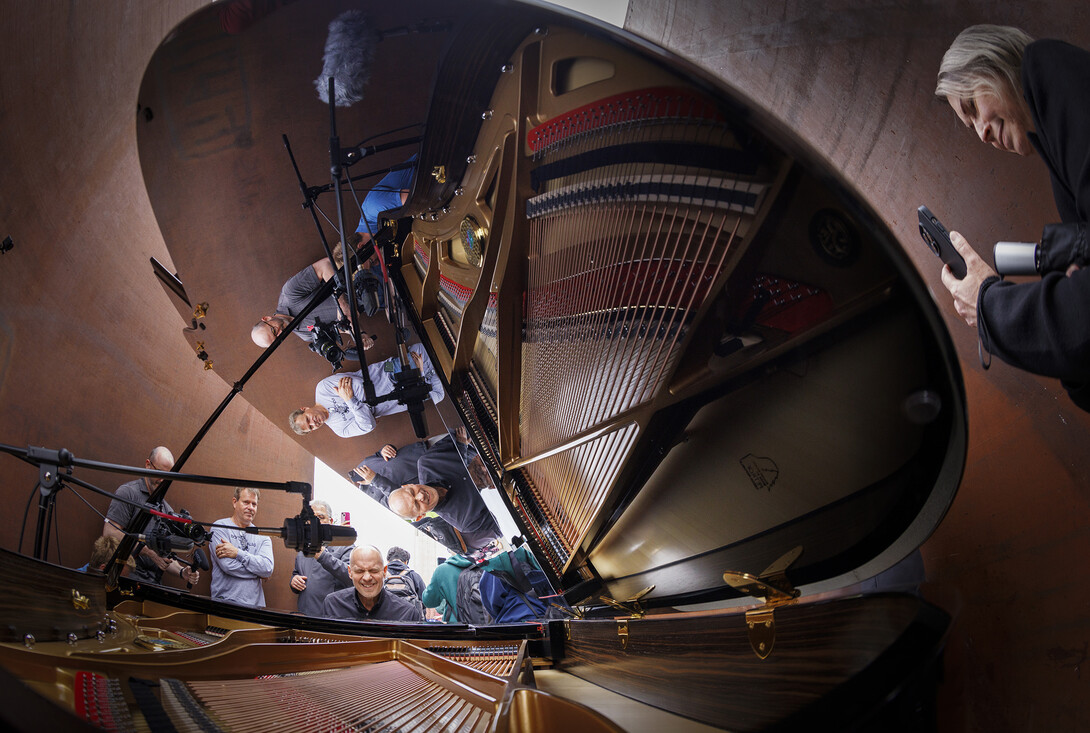
- Paul Barnes, music, December on Connecticut Public Radio, fan frenzy surrounding composer and pianist Franz Liszt.
- Dona-Gene Barton, political science, August in The Guardian, Senate race between incumbent Pete Ricketts and challenger Dan Osborn.
- Eric Berger, law, May in The Atlantic, incarceration practices in El Salvadoran prisons.
- Eve Brank, psychology, July in St. Louis Post-Dispatch, St. Louis police possibly citing parents for their children’s actions at future public events, as they did over July Fourth weekend.
- Kelsy Burke, sociology, August in Time magazine, religious opposition to trans health care being relatively new phenomenon; October in The New York Times, renewed debate over conversion therapy for LGBTQ youth.
- Kait Chapman, Nebraska Extension, July in The Spruce, whether peppermint oil is an effective pest repellent.
- S. Carolina Córdova, agronomy and horticulture, May in Business Insider, more farmers using Internet of Things technology in their operations.
- Bruce Dvorak, civil and environmental engineering, May in Consumer Reports, water softeners.
- Kevin Grosskopf, architectural engineering and construction, March in This Old House, whether third-party home warranties are worth it.
- Heather Hallen-Adams, food science and technology, August in Nature, factors in cocoa bean fermentation affecting chocolate’s taste; August in The New York Times, whether kombucha is healthful; December in NBC News, string of poisonings from “death cap” mushrooms.
- Adam Houston, Earth and atmospheric sciences, April on CNN, deadly tornado outbreak in southeast United States.
- Nathan Huynh, civil and environmental engineering, October in Reader’s Digest, regional differences among road terms and why they matter.
- Ciera Kirkpatrick, advertising and public relations, and LaRissa Lawrie, doctoral candidate at University of Missouri, June in Contemporary OB/GYN, Medical Xpress and The Munich Eye, their study suggesting that knowledge-based messages are best when health professionals use short-form videos to encourage cervical cancer screening.

- Ari Kohen, political science, December in CNN, the psychology of heroism.
- Kyle Langvardt, law, and Alan Rozenstein, University of Minnesota Law School, October in The Regulatory Review, online content moderation in wake of Moody v. NetChoice (2024).
- Andy Little, School of Natural Resources, December on RFD-TV, university’s efforts to create healthy ecosystems that can support ag production and biodiversity.
- Colleen E. Medill, law, June in Bloomberg Law, Advisory Council on Employee Welfare and Pension Benefit Plans being put on pause.
- Anastasia Meyer, Nebraska Extension, October in The Midwest Newsroom, grain elevator operators expanding storage to hold surplus grain; December in Kansas Farmer, creating a family farm budget.
- Elizabeth Niehaus, educational administration, May in Inside Higher Ed, Foundation for Individual Rights and Expression’s new Students Under Fire report; September in Inside Higher Ed, FIRE survey showing that college students — particularly those who identify as conservative — are less likely to tolerate controversial speakers than in 2024.
- Lia Nogueira, agricultural economics, November in China Daily, how tariffs might affect holiday shopping in the United States.
- Michelle Paxton, law, May on RFD-TV, Children’s Justice Attorney Education Program, which aims to improve representation for rural families.
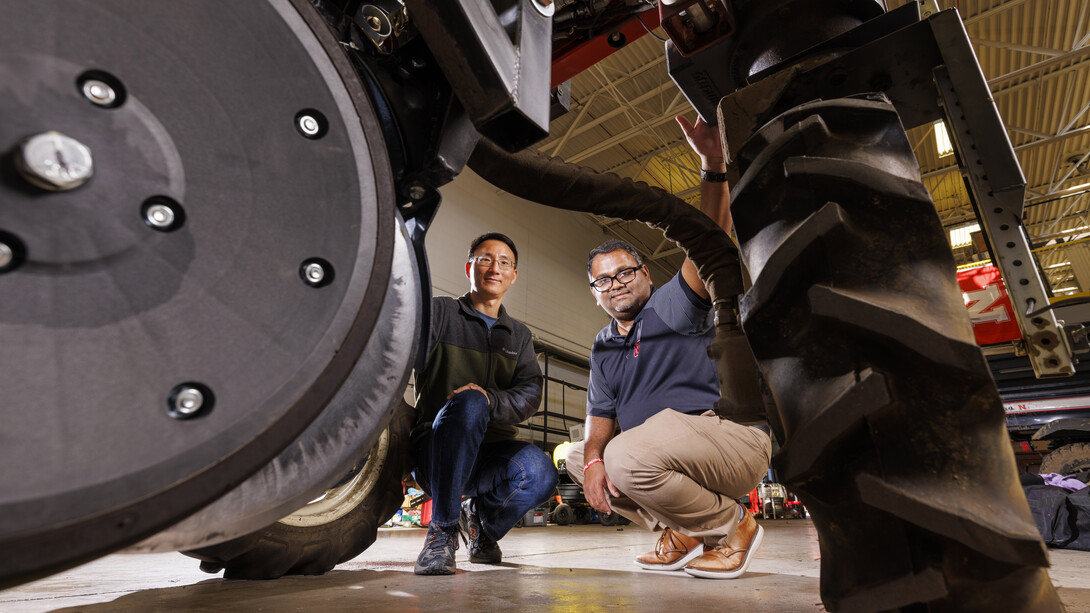
- Santosh Pitla, biological systems engineering, February on RFD-TV, how the university is helping develop the next generation of autonomous ag solutions; June in Iowa Public Radio, fourth annual CyberTractor Challenge, held at Iowa State University.
- Shannon Sand, agricultural economics extension educator, October in Successful Farming, onboarding basics to improve farm labor retention.
- Susan M. Swearer, educational psychology, July in The New York Times, new Tennessee law under which teenage drivers could have their driver’s licenses suspended for a year if they are convicted of bullying or cyberbullying.
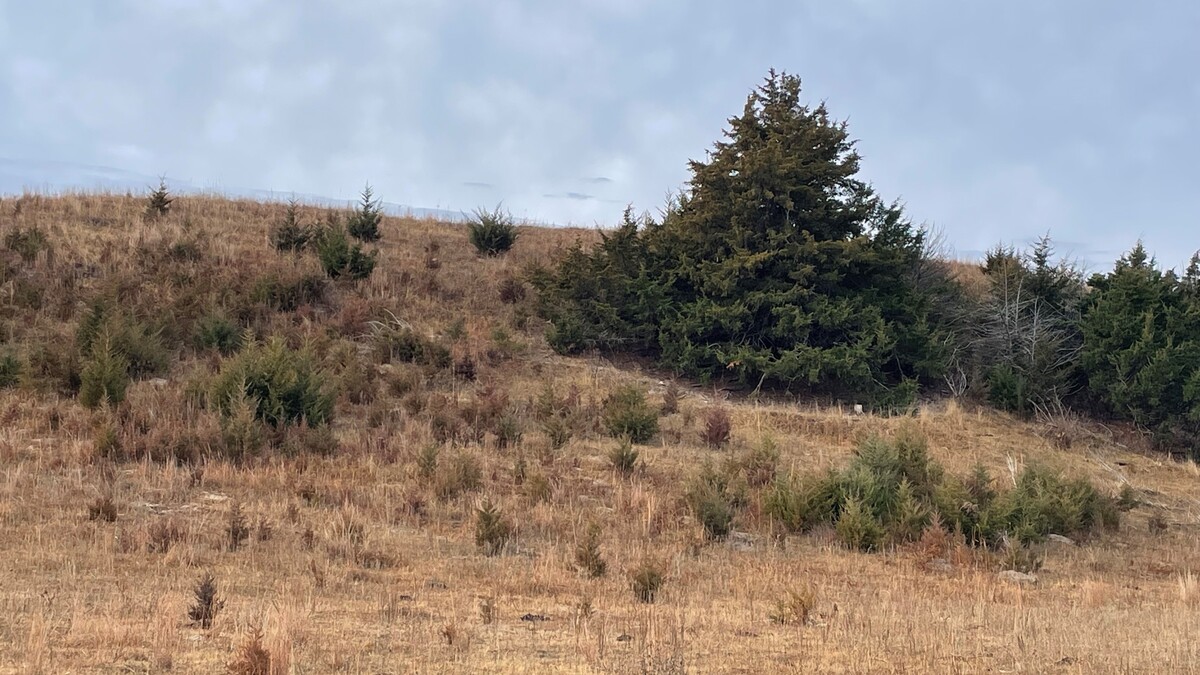
- Dirac Twidwell, agronomy and horticulture, September in Greater Dakota News Service, eastern red cedar trees taking over grasslands in central United States; October on RFD-TV, university’s efforts to combat woody encroachment in Great Plains; December in The New York Times, South Dakota ranchers banding together to preserve prairie.
- Deb VanOverbeke, animal science, January on RFD-TV, her background in meat science, some projects at the Loeffel Meat Laboratory and hands-on opportunities for students; November on RFD-TV, how the university is addressing workforce needs across the livestock industry.
- Bing Wang, food science and technology, February in FOX News, study showing high prevalence of microplastics in seafood samples.
University Communication and Marketing tracks faculty, administration, student and staff appearances in the national media and reports upon them month by month. If you have additions to this list, contact Sean Hagewood, news coordinator, at shagewood2@unl.edu or 402-472-8514.