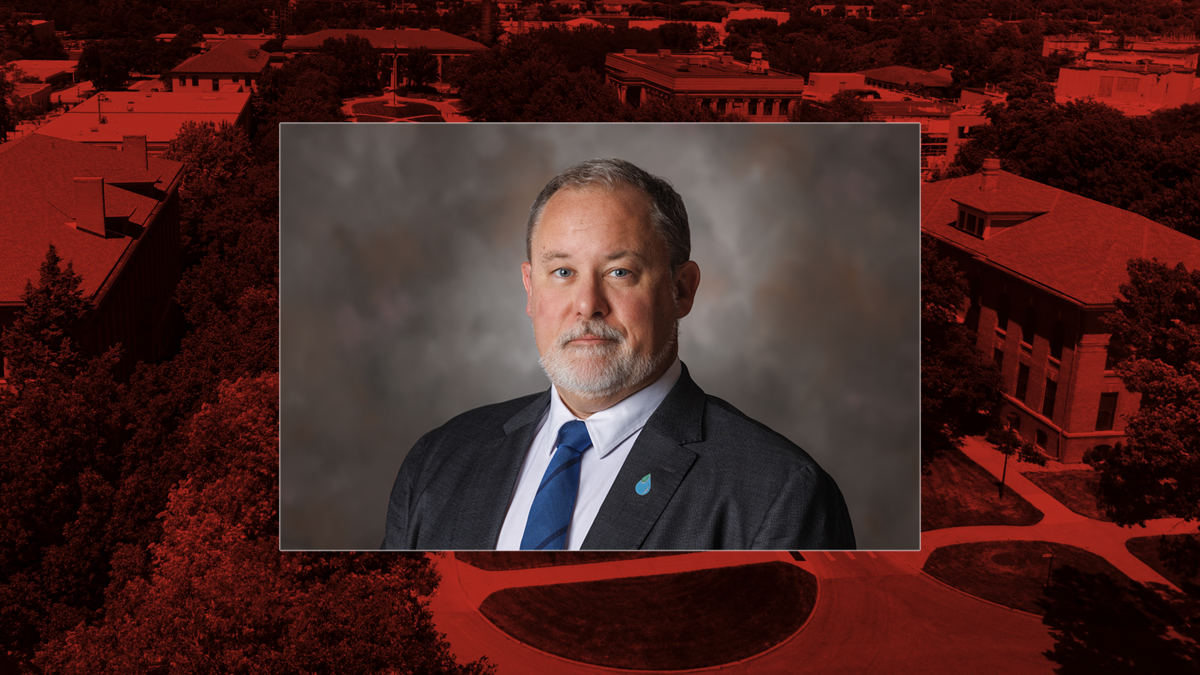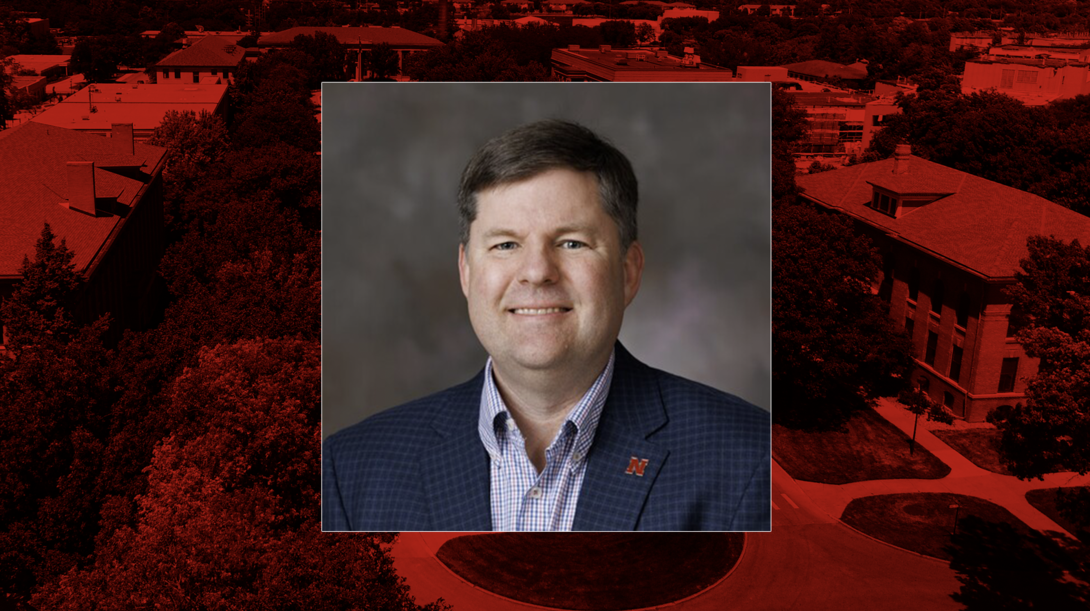
Joe Luck, professor and Extension specialist in precision agriculture and assistant director of the Eastern Nebraska Research, Extension and Education Center near Mead, has been appointed interim head of the University of Nebraska–Lincoln’s Department of Biological Systems Engineering.
Luck succeeds Mark Stone, who served as department head from 2023 through the end of 2025 before returning to the faculty. Luck began his tenure as interim department head Jan. 1. The university thanks Stone for his leadership, service and the many talents he brought to the Department of Biological Systems Engineering during his tenure.
Luck joined the Department of Biological Systems Engineering at UNL in April 2012. His work focuses on developing Extension and research programs related to the application of precision agriculture technologies in crop production. He also teaches courses in precision and digital agriculture and works closely with interdisciplinary teams to evaluate emerging technologies, including crop canopy sensors for nitrogen application and advanced pesticide application systems.
“Dr. Luck is a distinguished researcher, an inspiring educator and a trusted leader,” said Tiffany Heng-Moss, interim NU vice president and Harlan vice chancellor for UNL’s Institute of Agriculture and Natural Resources. “I’m excited to work alongside him as we continue to build momentum in the Department of Biological Systems Engineering.”
As he begins his role, Luck looks forward to strengthening the Department of Biological Systems Engineering’s partnerships across IANR, the College of Engineering and other units within the NU system, with a particular focus on expanding collaborations with external partners. He is also focused on student success and ensuring that today’s Biological Systems Engineering students — who represent three undergraduate majors — are well prepared to meet future challenges in agricultural and biological engineering and agricultural systems technologies.
“The Department of Biological Systems Engineering has incredible faculty, staff and students with remarkably broad expertise,” Luck said. “This role provides an exciting opportunity to work across disciplines — from digital agriculture and robotics to ecological and biomedical engineering — and to connect technological innovation with real-world biological systems, including plants, animals and people. Our department is focused on preparing the next generation of technologists, engineers and scientists to tackle complex challenges and create meaningful, positive impacts for agriculture and society.”
Luck earned his master’s and doctoral degrees in biosystems and agricultural engineering from the University of Kentucky. He has received numerous honors for his research and Extension work, including the Pierre Roberts Young Scientist Award from the International Society of Precision Agriculture in 2020 and the Larry Turner Young Extension Professional Award from the American Society of Agricultural and Biological Engineers in 2017.