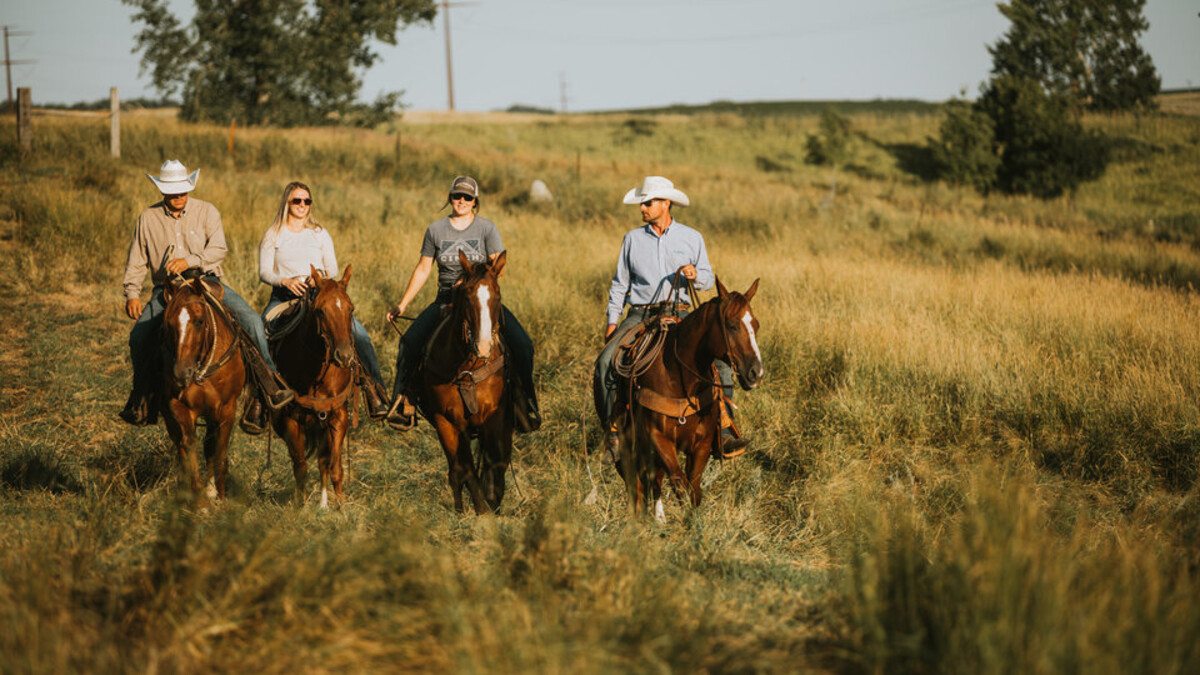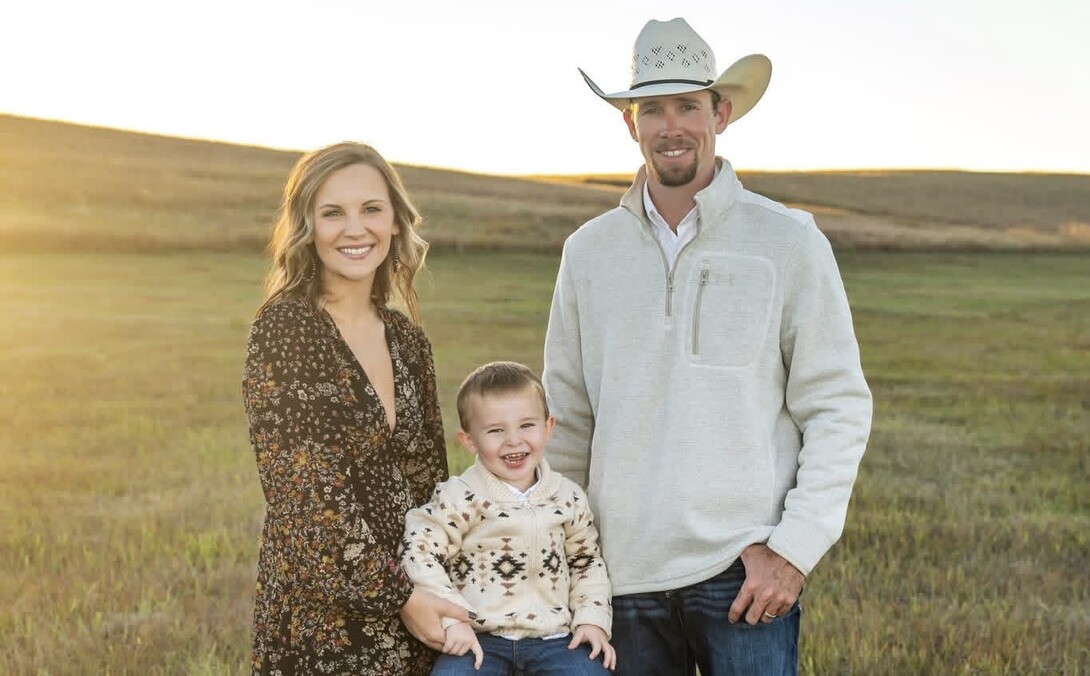
Coming back to the ranch was never really a question for Austin Starr.
After graduating from the University of Nebraska-Lincoln, he returned to his family’s operation near Stapleton, something he had always planned on.
During May, recognized as Beef Month, stories like Starr’s highlight the connection between Nebraska producers and the beef on consumers’ plates.
“I always planned on coming back,” Starr said. “College was something I wanted to do for myself, but also so I could bring something useful back with me.”
The ranch has been in his family for generations, and returning home meant carrying on that legacy.
In addition to his studies in animal science on East Campus, Starr also kept himself busy competing. Before transferring to Nebraska, Starr competed at Doane, where he qualified twice for the NAIA national meet in high jump and triple jump. He later joined the Nebraska track and field team while managing academics.
His time at UNL helped him better understand the cattle he’d grown up around.
“You spend your whole life around cattle, but you don’t always think about what’s going on inside them,” he said. “Anatomy and Physiology is where I learned more about how they function, how they handle stress, how everything works together.”
Now, that knowledge shows up in the decisions he makes back on the ranch.
Spring work on the ranch
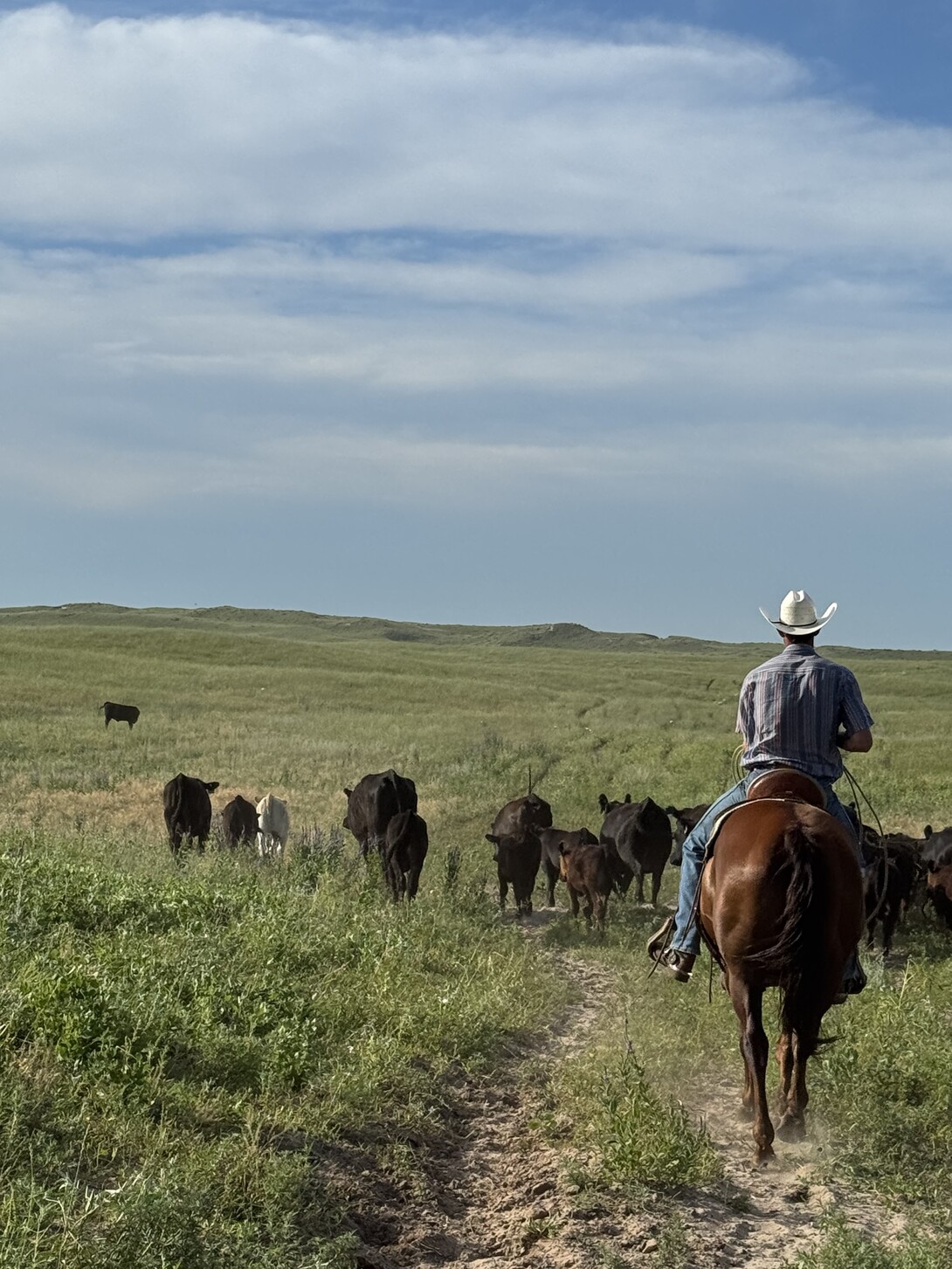
Now back on his family’s ranch in the Nebraska Sandhills, Austin Starr is in the middle of one of the busiest times of year.
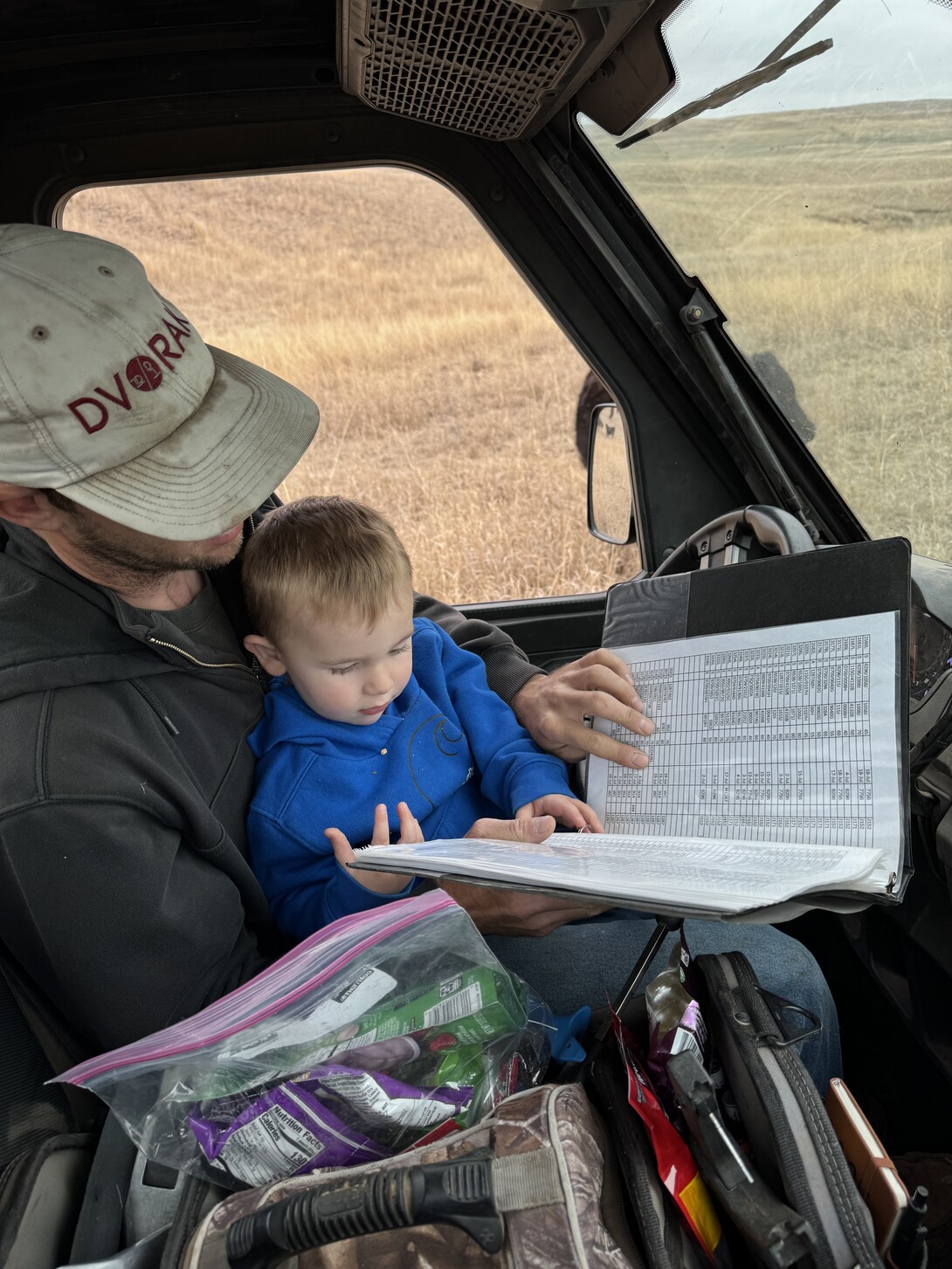
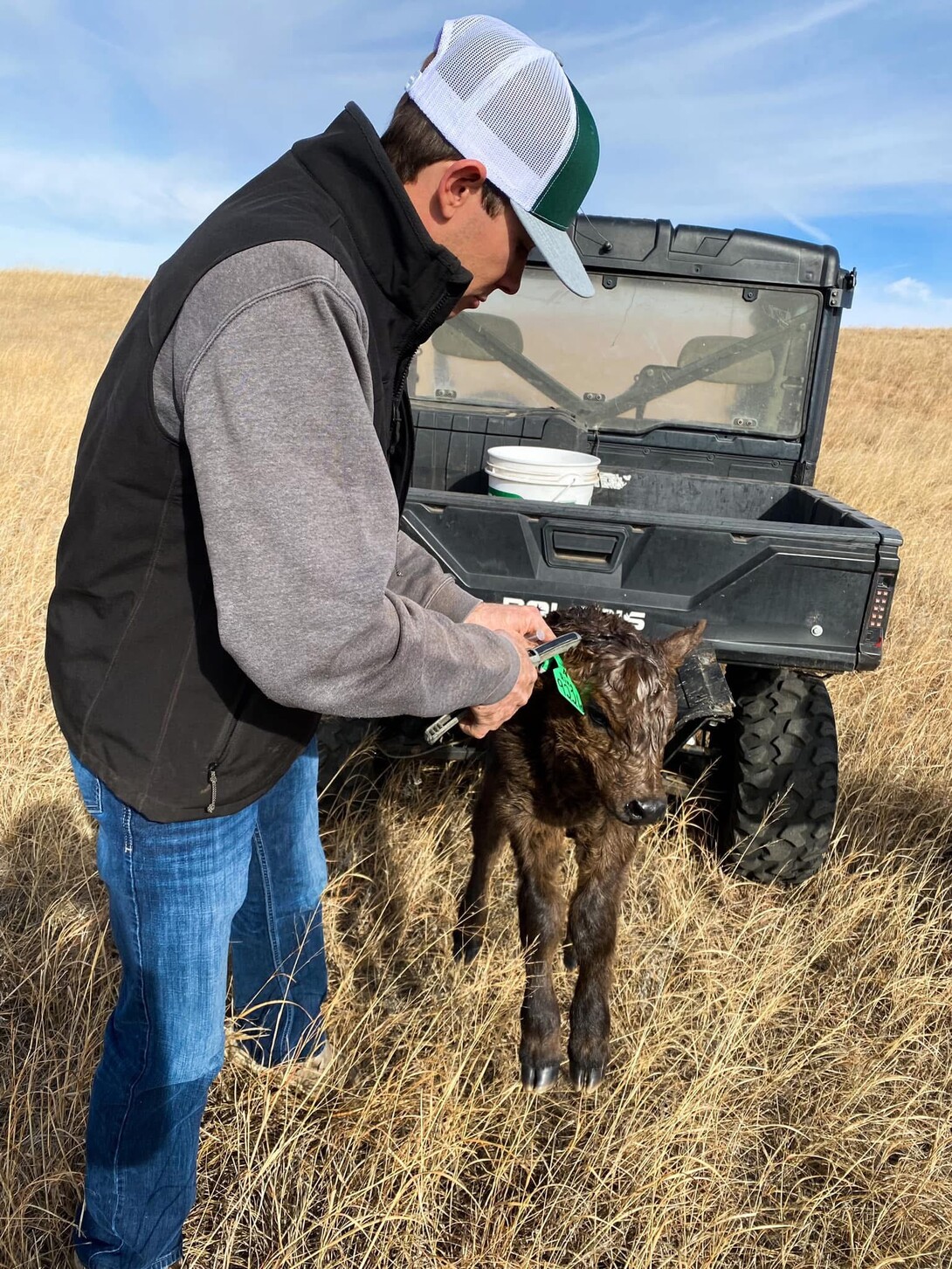
“This time of year, we’re getting into calving,” he said. “Tagging calves, checking pairs, going to brandings. It keeps us pretty busy.”
Calving season is full of long days, but is also one of the most rewarding parts of raising cattle.
“Seeing all the calves is my favorite part of the year,” he said.
Along with spring calving comes branding season, which is one of the few opportunities where Starr gets to see his neighbors.
“You don’t see people much out here,” he said. “Brandings are one of the few times you get to catch up with other ranchers.”
Raising beef in the Nebraska Sandhills
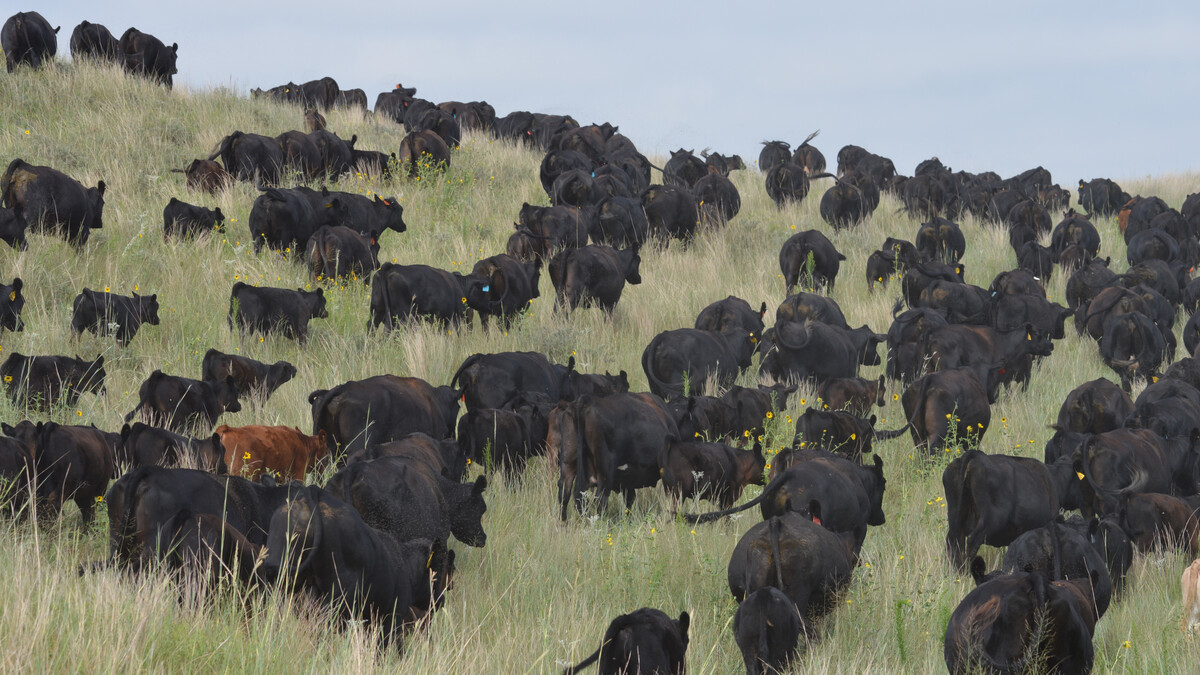
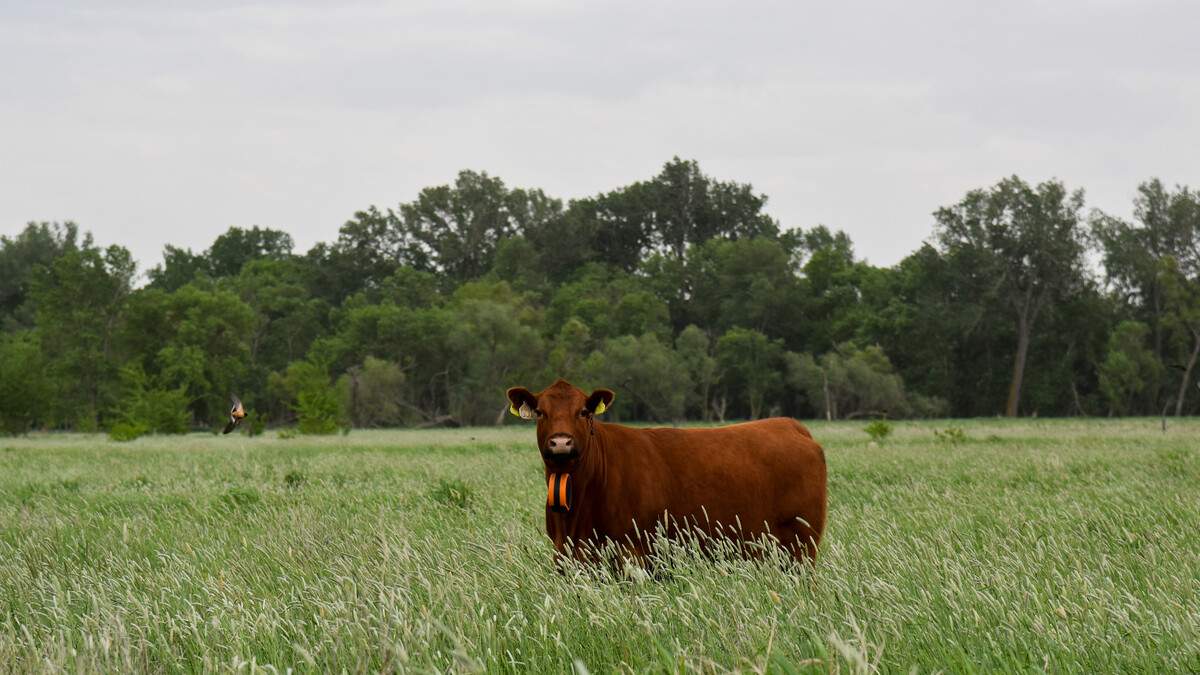
In the Sandhills, cattle are raised on mixed-grass prairie that stretches for miles. Raising cattle in the Sandhills is something Starr believes plays a direct role in the quality of Nebraska beef.
“These cattle are out on grass, spread out, and able to do what they’re built to do,” he said. “They’re not confined all the time. I think that makes a difference.”
During beef month, Starr encouraged consumers to celebrate by purchasing beef from a local rancher.
“We eat beef pretty much every day, so as far as my plans go for celebrating Beef Month, we’ll be eating beef every day of the month.”
So this May, fire up the grill, enjoy a good steak, and remember the ranchers behind it.