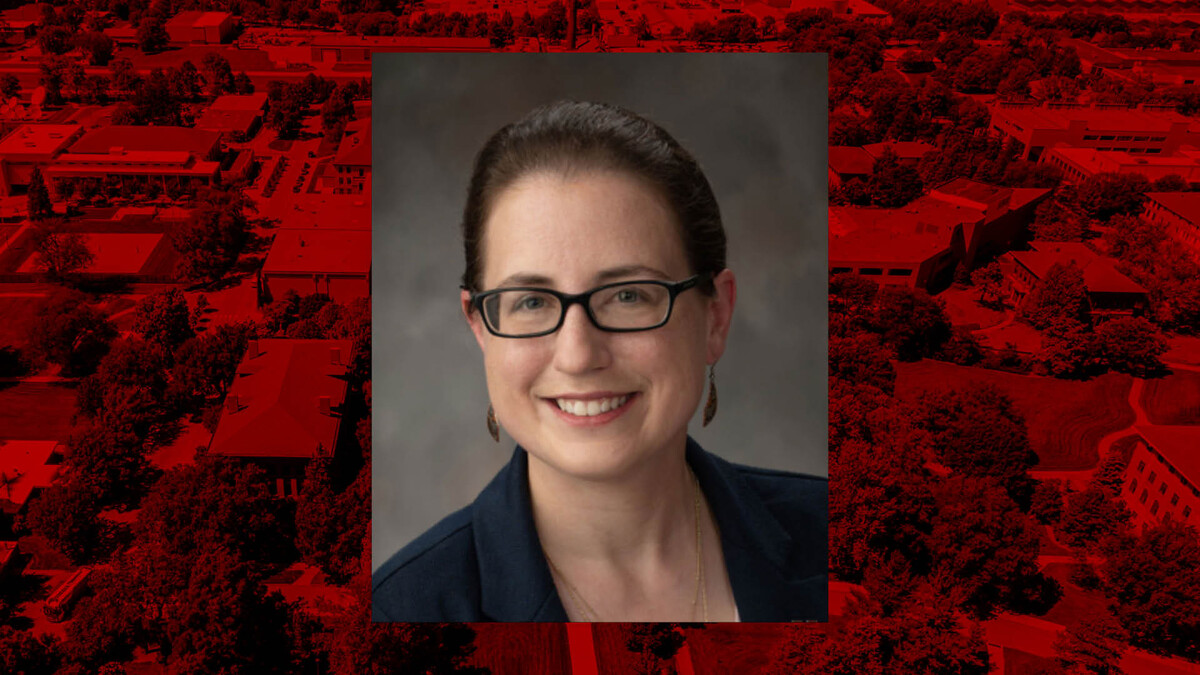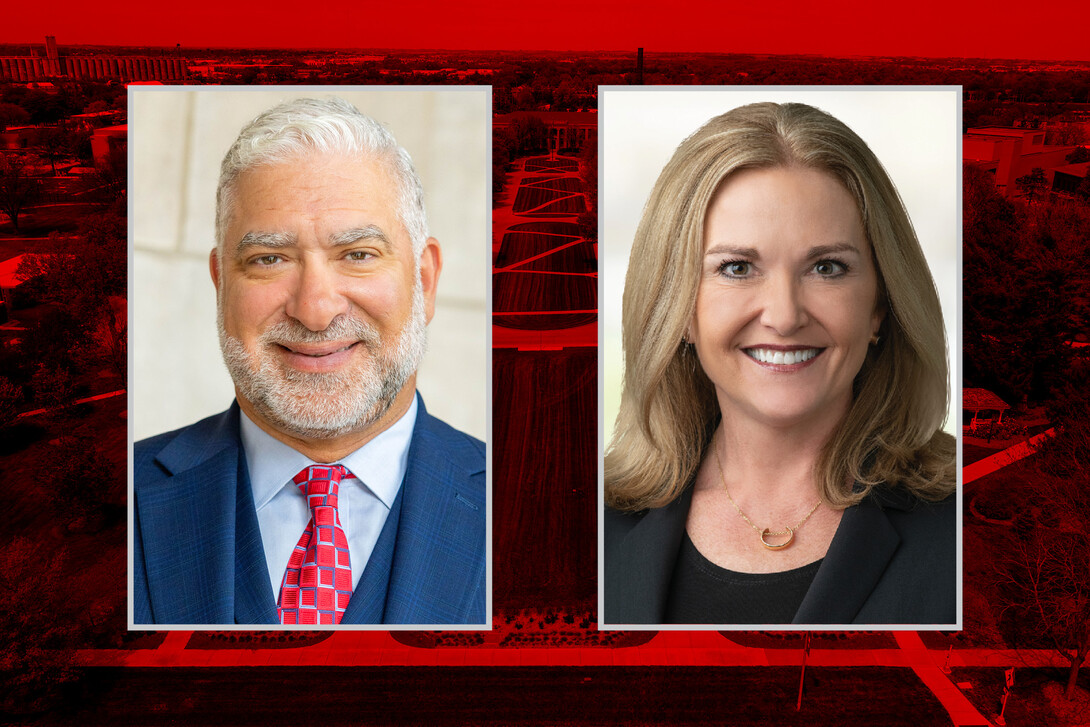
The Clayton Yeutter Institute of International Trade and Finance at the University of Nebraska-Lincoln welcomes two distinguished new members to its Advisory Council: Mark McHargue, president of the Nebraska Farm Bureau, and Kellie Meiman Hock, senior counselor at McLarty Associates and adjunct professor at Georgetown University.
McHargue brings more than 25 years of agricultural leadership experience to the council, including his role on the American Farm Bureau board of directors and his service as an advisor to the office of the president at the University of Nebraska.
Meiman Hock, a graduate of Georgetown University's School of Foreign Service, brings over three decades of expertise in international trade and investment policy, having served as a U.S. Foreign Service Officer and trade negotiator before building a distinguished career in global strategic consulting.
Together, they bring a powerful combination of on-the-ground agricultural experience and high-level trade policy expertise to the Yeutter Institute, strengthening its mission of advancing trade education and policy that directly impacts Nebraskans.
What drew you to join the Advisory Council for the Yeutter Institute at the University of Nebraska-Lincoln?
Mark McHargue: I was drawn to the Yeutter Institute because of its strong focus on agriculture, trade, and public policy. As a farmer and farm organization leader, I see how global markets directly affect Nebraska producers. The Institute continues Clayton Yeutter’s legacy of ensuring agriculture has a seat at the table in trade discussions, and I value the opportunity to contribute a farmer’s perspective to that work.
Kellie Meiman Hock: Ambassador Yeutter was a bright light and positive force in U.S. trade policy for decades. His impact extended beyond his own work to the next generation, which he took time to cultivate and mentor — myself included. To be able to contribute to his legacy by participating in the Institute's Advisory Council is nothing short of an honor, especially at a time when America's heartland is getting buffeted by shifting trade winds. I am particularly excited to return to Nebraska to teach a one-credit class on NAFTA/USMCA at the Yeutter Institute next fall. Yeutter Institute students will be key to moving trade policy beyond the current chaos, I have no doubt.
Could you tell us how you became interested in international trade and how it has been part of, influenced, or shaped your career?
Mark McHargue: Growing up on a fourth-generation farm in Central City taught me early on that agriculture depends on global markets. That understanding has been reinforced through my involvement in numerous international trade missions, where I’ve had the opportunity to highlight Nebraska agriculture and build relationships with key trading partners. Serving on the American Farm Bureau Federation board and chairing its Trade Advisory Committee has further shaped my appreciation for how critical trade policy is to farm profitability and long-term stability.
Meiman Hock: Growing up in Omaha in the 1980's, two factors nudged me in the direction of trade policy. First, curiosity about what was on the shelves at local stores. My grandmother ran the general store in Greeley, Nebraska, and I would sometimes go on purchasing excursions with her. How products arrived in Nebraska, and from where, were looming questions in my mind. Second, my mother was getting her MBA at UNL when I was in high school. The rise of Japan was part of the curriculum, and I would steal her books to read more about it. Thanks to an amazing social studies teacher at Millard South, I applied for and received a scholarship to study in Japan the summer of 1986. I never looked back and have been fortunate to work on international trade policy as a U.S. diplomat, trade negotiator, and consultant over the course of my career. Carrying those experiences and lessons into the classroom for students is the next chapter in my trade policy practitioner story.
From your perspective and experience, what would you say is important to understand about international trade at this time?
McHargue: International trade provides essential market access and stability for farmers. Predictable, science-based trade policies allow producers to plan and invest with confidence. For Nebraska, biofuels are a particularly important opportunity. As new trade policies and international agreements evolve, expanded access for ethanol and other biofuels could be a game changer for our state if leveraged correctly. With growing global demand for energy and food, strong trade relationships will be critical to keeping Nebraska agriculture competitive and rural communities strong.
Meiman Hock: Trade is not a zero-sum game. There are definitely winners and losers on a sectoral basis, but imports are not necessarily bad. Imports are often the inputs to U.S. production, in the manufacturing, agricultural, and services sectors. We need to have a serious political conversation about where the United States is overly dependent on inputs and technology from adversarial countries, but we also must remember that deepening trade relations with allies and opening up export markets will continue to be critical to the economic success of the United States.