International negotiations on global agricultural trade have a big impact on Nebraska’s economy. Nearly a third of the state’s net farm and ranch receipts come from overseas sales. The state’s cattle sector leads the nation in beef exports. And Nebraska state officials regularly travel the world to pursue increased market access.
University of Nebraska–Lincoln students gained insights into those connections and the realities of global trade bargaining during a recent mini course led by Jason Hafemeister, a veteran U.S. ag-trade negotiator.
The 17-day class, sponsored by the university’s Clayton Yeutter Institute of International Trade and Finance, helped the students understand a host of connected topics: trade economics, legal considerations, policymaking, tariffs, historical examples, trade agreements and negotiating principles.
Hafemeister, associate administrator of the U.S. Department of Agriculture’s Foreign Agricultural Service, capped the course with a real-world negotiating simulation that showed the students the need for clarity in communication, professional comportment in tricky bargaining situations, and flexibility in dealing with the unexpected.
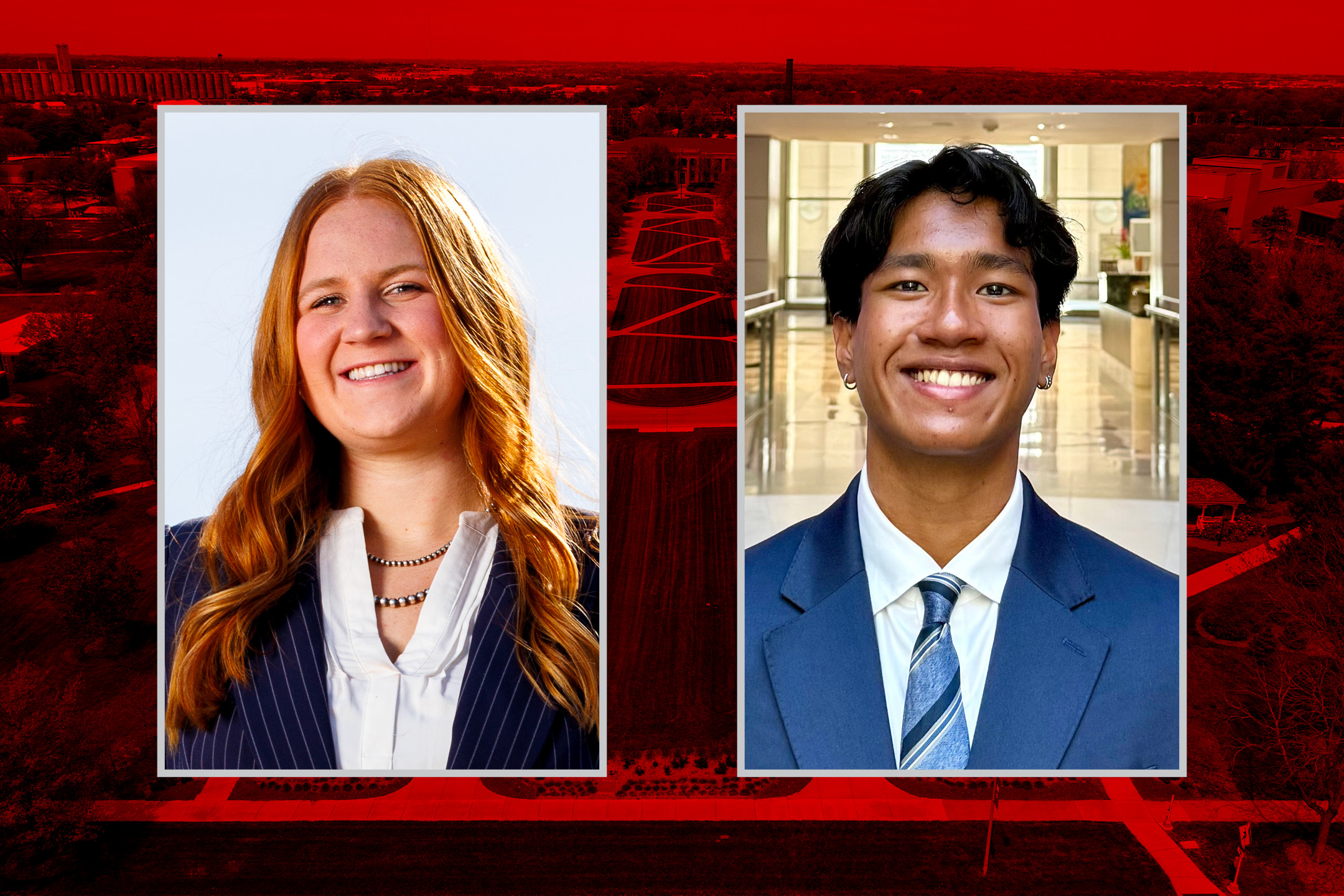
Ethan Zen, a senior pursuing a double major in economics and finance, had prepared extensively for the simulation, but once it began, he found he needed to switch gears and “remain steady under mounting pressure.”
Hafemeister helped students understand that “a calm negotiator has the capacity to recalibrate their strategy while encouraging the counterparty to remain open to new proposals,” said Zen, a student fellow for the Yeutter program.
The experience “showed me exactly how difficult these negotiations can be,” said senior Allison Walbrecht, an animal science major on the business and communications track who plans to pursue an ag-focused professional career in Washington, D.C. In the simulation, she represented the U.S. position in talks with the European Union, known for its extensive agricultural protections. The EU barriers made it “incredibly difficult” for the U.S. to achieve effective bargaining leverage, said Walbrecht, also a Yeutter student fellow.
Through this approach, the mini course continued the Yeutter Institute’s focus on practical instruction through real-world simulation experiences for students.
The Husker students were impressive in their serious-mindedness throughout the trade discussions and activities, said Hafemeister, who served as lead negotiator for trade agricultural trade agreements including China’s accession to the World Trade Organization, the Central America Free Trade Agreement, and the WTO Doha negotiations. “It was a pleasure to talk to students who care about the topic,” he said.
A key focus was clarity and effectiveness in written expression, specifically policy-focused memorandum writing, which counted for 60% of the grade.
“The reality is that unless you can accurately and positively convey the work you have put into a deal, it won’t get done,” Walbrecht said. “Having the opportunity to practice my professional writing skills with a professional well established in the industry allowed me to understand what is needed from me to get my work across the finish line.”
Zen benefited from Hafemeister’s guidance to achieve succinctness and precision in memo writing. “Professor Hafemeister’s feedback was particularly valuable, as it reflected the expectations of a seasoned expert who has read far more memos than I could ever write,” Zen said.
The mini course took on heightened relevance because, in the middle of the instruction, the U.S. Supreme Court issued a ruling saying the Trump administration had overstepped its constitutional authority in setting a large set of tariffs under the 1977 International Emergency Economic Powers Act. The ruling actually helped the class because it disrupted the students’ trade discussions and illustrated negotiators’ need for adaptability.
“Real life helped guide our simulation because the shock we applied was, what happens if the Supreme Court overturns the tariffs?” Hafemeister said.
The Yeutter Institute’s use of real-world experiential learning for students comes at a time of considerable upheaval and uncertainty on the trade front. “For years we’ve been seeing something of a new era for U.S. trade policy,” Hafemeister said. “I think it’s safe to say we’re going through a paradigm shift.”
The Yeutter mini course, he said, “was a chance for us to talk about where we’ve been in the past and where we might go in the future.”
Walbrecht appreciated how the experience provided “the opportunity to learn with other students who are excited about the future of trade and hope to be informed to be useful in the future.”
The present era “is an incredibly dynamic time within policy and trade,” she said. “To be surrounded by young people like myself who want to be a part of the change and make an impact was great to see.”