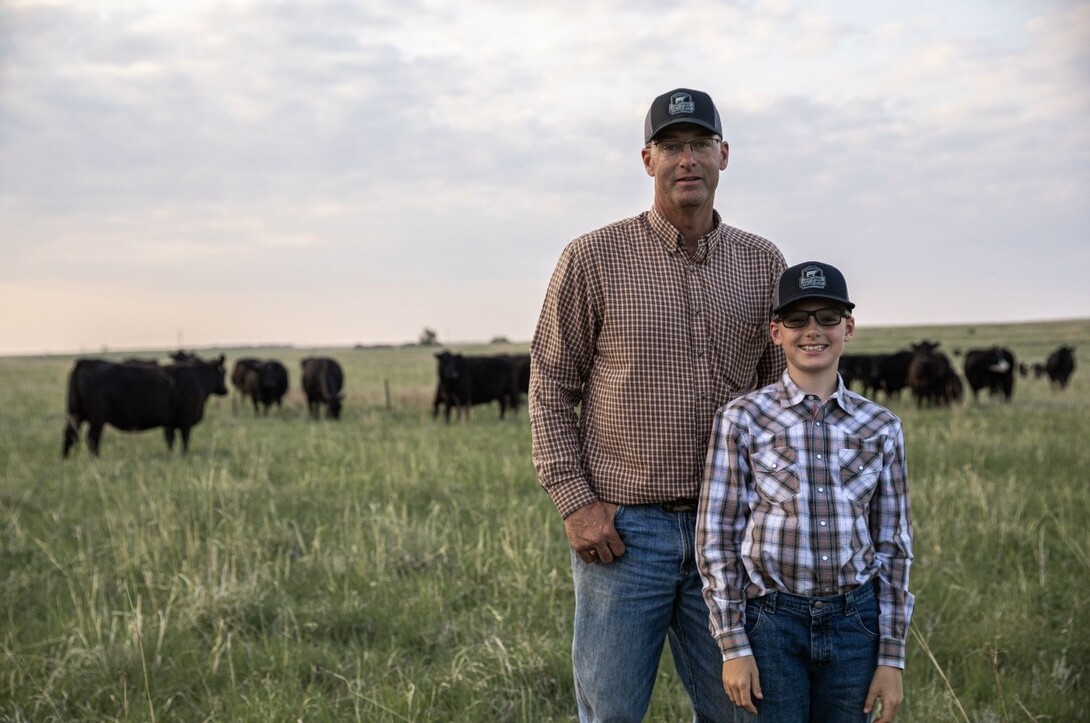
For Nebraska producer Troy Anderson, his family is deeply rooted in doing things the right way. That began with his parents instilling the importance of Beef Quality Assurance in him and his siblings and now passing down the core principles to his son.
“BQA is kind of like a roadmap to show the public we’re doing things right,” Anderson said.
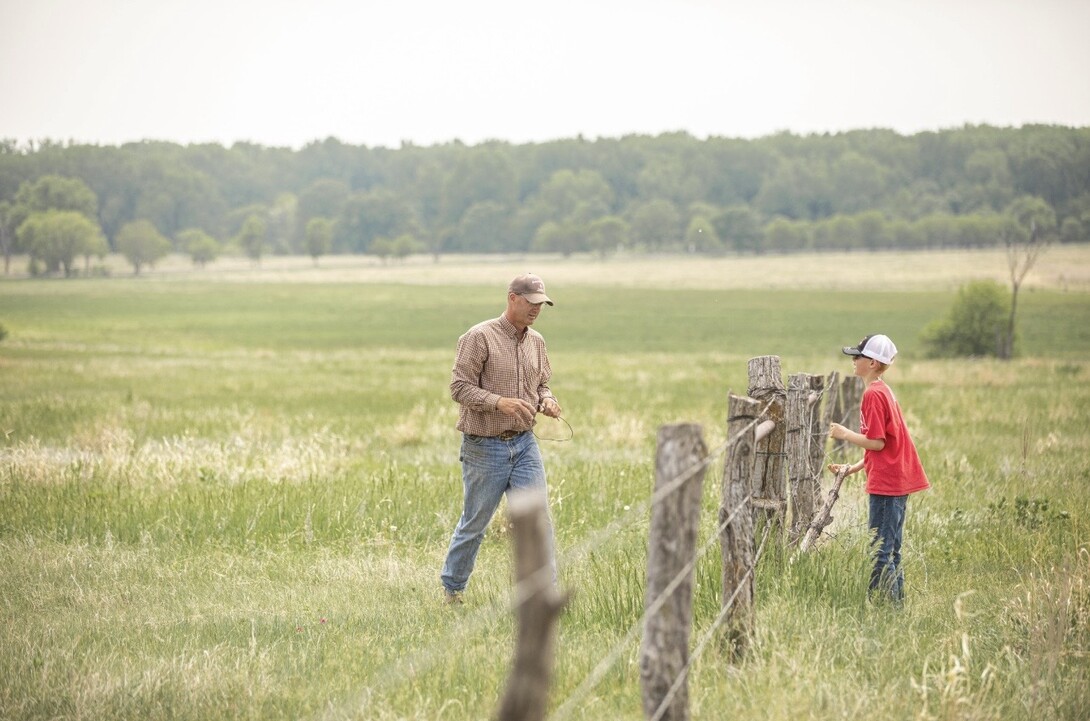
Anderson has been involved with the Beef Quality Assurance (BQA) program since the mid-1990s. He said the program has grown significantly, and he now views it as the foundation for overall herd management.
“When BQA started, it was about injection sites, but it’s evolved into overall good management,” Anderson said.
That mindset shows up in the daily decisions made on his operation. From monitoring cattle health to maintaining proper nutrition and living conditions, Anderson said BQA principles are part of nearly every aspect of care.
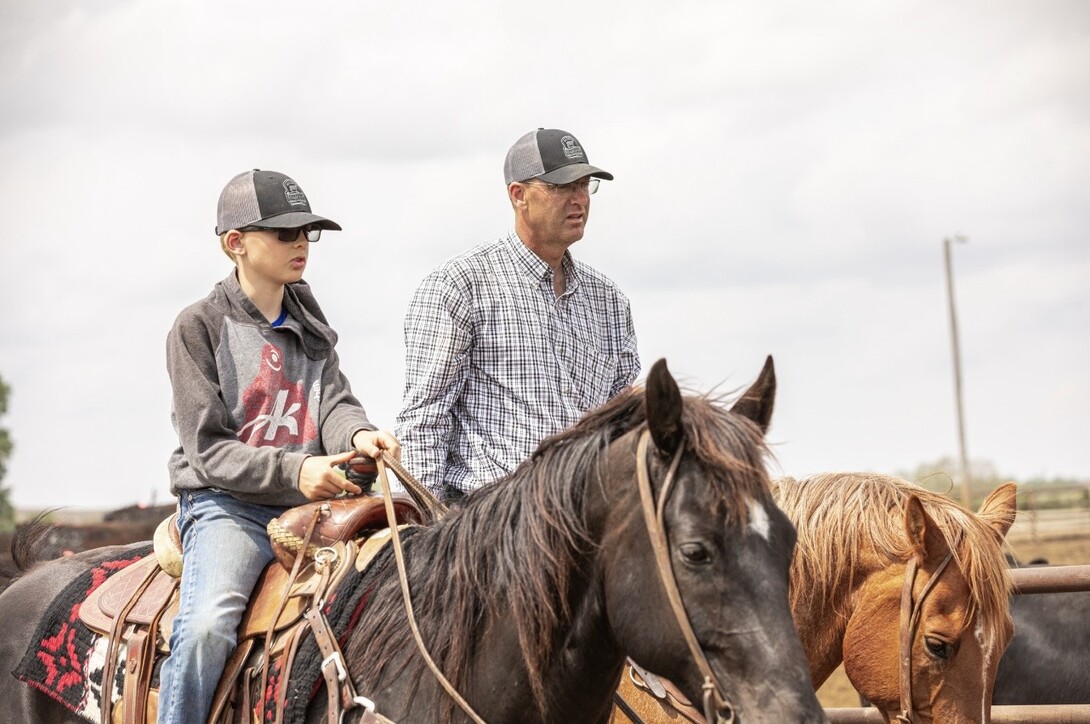
“Health is probably No. 1,” he said, “whether it’s watching for things like pneumonia or scours during calving, it’s about catching issues early and treating them as early as possible.”
In addition to health, Anderson emphasized the importance of providing clean water, quality feed and a safe environment for cattle. Conditions such as mud, dust or lack of protection can impact cattle performance, making proactive management critical.
“It’s making sure the conditions they’re living in are right. Whether that’s mud, dust or having windbreaks,” he said.
Handling practices are another key piece of BQA that Anderson applies throughout the year, including during weaning. He said low-stress handling and thoughtful management decisions help set cattle up for long-term success.
That long-term perspective is something Anderson believes sets BQA apart. Rather than focusing on a single moment in production, the program encourages producers to think about the entire lifecycle of the animal.
“The better chance you take care of them from conception on, the better chance you’re giving them to thrive,” he said.
For Anderson, BQA is not just a certification. It is a practical tool that helps him make better decisions every day while strengthening trust in the beef industry.